









How Do Binoculars Work? Understanding the Science Behind Modern Binoculars
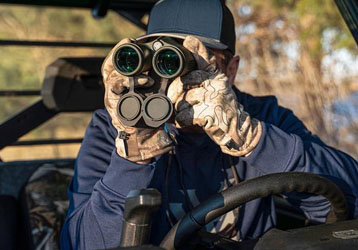
Binoculars are one of the most popular optical tools used for bird watching, hunting, hiking, wildlife observation, sports events, and travel. Most people use binoculars regularly without fully understanding how they actually work.
So, how do binoculars make distant objects appear closer?
The answer lies in a sophisticated combination of lenses, prisms, and optical engineering. In this guide, we'll explain the science behind binoculars in a simple and easy-to-understand way.
What Are Binoculars?
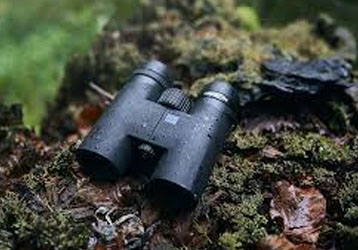
Binoculars are optical instruments that allow users to view distant objects with both eyes simultaneously.
Unlike telescopes, binoculars provide:
A natural viewing experience
Better depth perception
Wider field of view
Greater comfort during extended observation
Modern binoculars combine multiple optical components to magnify and sharpen distant images.
The Main Components of Binoculars
Every binocular contains three primary optical systems:
Objective Lenses
The large lenses located at the front of the binocular are called objective lenses.
Their main function is to:
Gather incoming light
Create an image of the viewed object
The larger the objective lens:
The more light it collects
The brighter the image becomes
Common objective lens sizes include:
32mm
42mm
50mm
This is why 42mm objective lenses are often preferred for outdoor activities.
Eyepieces
Eyepieces are the lenses closest to your eyes.
Their role is to:
Magnify the image created by the objective lens
Allow comfortable viewing
The eyepiece works together with the objective lens to determine overall magnification.
Prisms
Without prisms, images inside binoculars would appear upside down.
Prisms perform two important functions:
Correct image orientation
Shorten the overall length of the binocular
This makes binoculars compact and practical for outdoor use.
How Magnification Works
Magnification is represented by the first number in a binocular specification.
Examples:
8x42
10x42
12x50
An 8x binocular makes an object appear eight times closer.
A 10x binocular makes an object appear ten times closer.
For example:
If a bird is 500 meters away:
Through 8x binoculars, it appears approximately 62.5 meters away.
Through 10x binoculars, it appears approximately 50 meters away.
Higher magnification reveals more detail but may reduce image stability.
Understanding Field of View
Field of view refers to how much area you can see through the binocular.
Lower Magnification
Advantages:
Wider viewing area
Easier subject tracking
Better for bird watching
Higher Magnification
Advantages:
More detail
Better long-distance observation
Trade-off:
Narrower viewing area
Finding the right balance is important for outdoor activities.
Roof Prism vs Porro Prism Binoculars
Modern binoculars generally use one of two prism systems.
Roof Prism Binoculars
Characteristics:
Straight barrel design
Compact structure
Lightweight
Durable
Advantages:
Easy to carry
Modern appearance
Popular among hikers and travelers
Porro Prism Binoculars
Characteristics:
Traditional offset design
Wider body shape
Advantages:
Excellent depth perception
Often lower manufacturing cost
Many premium outdoor binoculars today use advanced roof prism systems.
Why Lens Coatings Matter
Modern binoculars feature specialized lens coatings that improve optical performance.
Benefits include:
Increased brightness
Reduced glare
Improved contrast
Better color reproduction
Fully Multi-Coated Lenses
High-quality binoculars often use fully multi-coated optics to maximize light transmission and image quality.
This feature is especially useful during:
Dawn observation
Dusk viewing
Forest environments
Overcast weather
How Focus Systems Work
Most binoculars use a central focus wheel.
The focus mechanism adjusts internal lens positions to create a sharp image at different distances.
Users simply rotate the focus wheel until the subject appears clear.
Modern binoculars also include:
Diopter adjustment
Twist-up eyecups
Long eye relief for eyeglass wearers
These features improve viewing comfort and precision.
Why Waterproof and Fogproof Binoculars Are Important
Outdoor environments expose binoculars to:
Rain
Humidity
Temperature changes
Dust
Premium binoculars often include:
Waterproof Construction
Prevents water from entering the optical system.
Nitrogen Purging
Fills the binocular with dry nitrogen gas to eliminate internal moisture.
Benefits:
Prevents fogging
Improves reliability
Extends product lifespan
How INJIE Binoculars Deliver Superior Outdoor Performance
INJIE Outdoor Binoculars incorporate advanced optical technologies designed for outdoor enthusiasts.
Key features include:
High-definition optics
Fully multi-coated lenses
Premium prism systems
Waterproof construction
Fogproof protection
Ergonomic grip design
Lightweight portability
These features help users enjoy clearer images and dependable performance in various outdoor conditions.
Common Questions About Binoculars
Do larger binoculars provide better image quality?
Not necessarily. Image quality depends on optics, coatings, prism quality, and lens design—not just size.
Are higher magnification binoculars always better?
No. Higher magnification increases detail but may reduce stability and field of view.
Why do some binoculars appear brighter?
Brightness is influenced by:
Objective lens size
Lens coatings
Prism quality
Optical design
How long do binoculars last?
With proper care, quality binoculars can remain functional for many years.
Conclusion
Binoculars work by combining objective lenses, prisms, and eyepieces to gather light, magnify distant objects, and provide a clear, correctly oriented image.
Understanding how binoculars function helps users choose the right model for their outdoor activities.
Whether you're bird watching, hiking, hunting, traveling, or exploring nature, INJIE Outdoor Binoculars provide the optical performance and reliability needed to enhance every adventure.