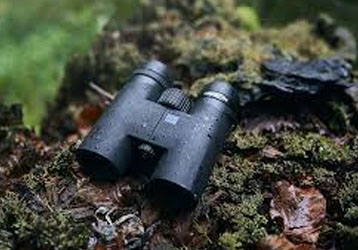










Binocular Maintenance and Care Guide | Extend the Lifespan of Your Optics | INJIE Optics Tips
Proper maintenance of binoculars is essential for maintaining optical clarity, mechanical performance, and long-term durability. Whether used for hiking, wildlife observation, or professional surveillance, correct care can significantly extend the lifespan of your equipment.
The INJIE Optics binocular series is designed for durability, but regular maintenance ensures optimal performance in all environments.
1. Why Binocular Maintenance Matters
Binoculars are precision optical instruments. Without proper care, users may experience:
- Reduced image clarity
- Lens scratches or coating damage
- Internal fogging
- Mechanical focusing issues
- Shortened product lifespan
Regular maintenance helps ensure stable performance in both professional and recreational use.
2. Daily Use Best Practices
✔ Handle with Clean Hands
Always hold binoculars with clean, dry hands to avoid oil and dust contamination on lenses.
✔ Use Neck Strap or Harness
Prevent accidental drops during hiking or field operations.
✔ Avoid Direct Sun Exposure for Long Periods
Extended exposure to high heat can damage optical coatings and internal sealing.
✔ Store in Protective Case
Always store binoculars in a padded case when not in use.
3. Lens Cleaning Procedure
Proper cleaning is critical for maintaining image quality.
Recommended Cleaning Steps:
- Use a blower to remove dust particles
- Gently wipe with a microfiber cloth
- Apply lens cleaning solution (if needed)
- Clean in circular motion from center outward
- Avoid applying excessive pressure
❌ Avoid:
- Tissue paper (may scratch coatings)
- Household cleaners
Rough fabrics or clothing
4. Anti-Fog and Moisture Protection
Even high-quality optics may suffer from moisture issues if improperly stored.
The INJIE Optics binocular system uses nitrogen-filled chambers, but external care is still important.
Tips to Prevent Fogging:
- Store in dry environment
- Use silica gel packs in storage case
- Avoid sudden temperature changes
Keep lens caps on when not in use
5. Storage Recommendations
✔ Ideal Storage Conditions:
- Dry environment
- Moderate temperature (10°C–25°C)
- Low humidity
- Away from direct sunlight
✔ Long-Term Storage Tips:
- Remove batteries (if digital models)
- Clean lenses before storage
- Store in original protective case
Check periodically every 2–3 months
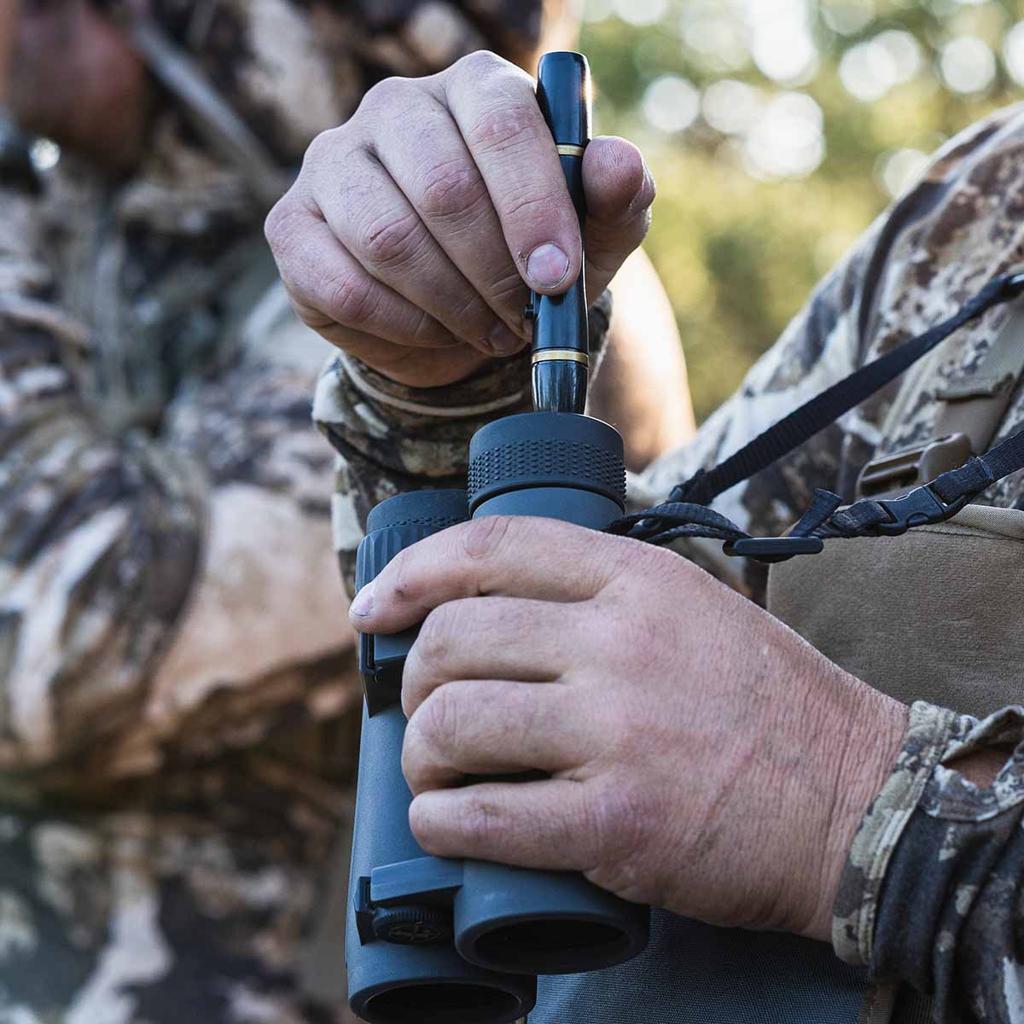
- 6. Field Maintenance for Outdoor Users
For users in outdoor environments such as hiking, security, or marine use:
Quick Field Tips:
- Carry lens cleaning cloth
- Use rain cover or protective bag
- Avoid touching lenses directly
- Wipe moisture immediately after rain exposure
Keep focus wheel clean from sand/dust
7. Common Mistakes to Avoid
Many users unintentionally damage binoculars due to improper handling:
- Leaving lenses uncovered
- Cleaning with dry rough cloth
- Dropping or knocking the optical body
- Storing in humid environments
- Over-tightening focus mechanisms
Avoiding these mistakes greatly improves product longevity.

8. Professional Maintenance Advantage
High-quality binoculars like INJIE Optics products are designed for long-term stability:
- Multi-coated lenses resist minor contamination
- Rubber armor protects against impact
- Sealed structure prevents internal dust
- Precision alignment ensures stable imaging
However, proper care ensures peak performance over years of use.
9. Conclusion
Binocular maintenance is a simple but essential practice that ensures long-term optical clarity and mechanical reliability. By following proper cleaning, storage, and handling procedures, users can significantly extend the lifespan of their equipment.
The INJIE Optics binocular series is built for durability, but consistent care ensures maximum performance in every environment—from outdoor exploration to professional field operations.