









Laser Speed Gun Accuracy: Factors Affecting Vehicle Speed Measurement
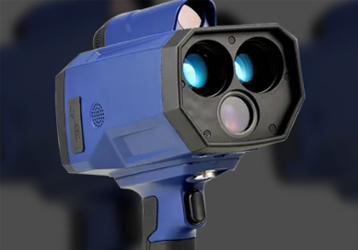
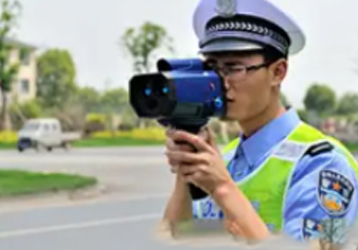
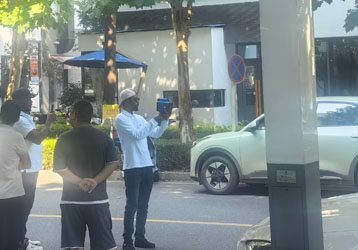
Laser speed guns are widely used in vehicle speed measurement, traffic monitoring, transportation research, and authorized road safety applications.
One of the most important considerations when selecting this type of equipment is measurement accuracy.
Accurate speed information is essential for evaluating traffic conditions, collecting reliable transportation data, and supporting appropriate road management activities.
However, the performance of a laser speed gun depends on more than its internal measurement technology.
Operating distance, measurement angle, environmental conditions, target characteristics, equipment maintenance, and correct operating procedures can all influence the quality of a measurement.
Understanding these factors helps professional users and equipment buyers evaluate laser speed measurement devices more effectively.
What Is Laser Speed Gun Accuracy?
Laser speed gun accuracy refers to how closely a device's measured speed corresponds to the actual speed component it is designed to measure.
Manufacturers typically specify accuracy under defined testing conditions.
These specifications should be reviewed alongside the supported speed range, measurement distance, operating environment, and calibration requirements.
It is also important to distinguish between accuracy and display resolution.
A device displaying speed to one decimal place is not necessarily more accurate than equipment displaying whole-number values.
Actual measurement performance depends on the complete sensing and processing system.
How Does a Laser Speed Gun Measure Vehicle Speed?
Laser speed guns generally use LIDAR technology, which stands for Light Detection and Ranging.
The device emits laser pulses toward a selected vehicle and measures the time required for reflected signals to return.
These measurements provide information about the distance between the instrument and the target.
By collecting multiple distance measurements over a short period, the internal processor calculates how quickly the distance is changing.
The result represents the vehicle's measured radial speed relative to the device.
For reliable results, the equipment must collect suitable measurement signals and process them according to its designed operating conditions.
Key Factors Affecting Laser Speed Gun Accuracy
1. Measurement Distance
Measurement distance is an important consideration when operating a laser speed gun.
At greater distances, aiming stability, target visibility, atmospheric conditions, and signal reflection can become increasingly significant.
A manufacturer's advertised maximum distance should not automatically be interpreted as the distance at which every target can be measured under all conditions.
Buyers should confirm the specified vehicle speed measurement range and the conditions used to establish that specification.
2. Measurement Angle
Laser speed guns measure the component of vehicle velocity along the instrument's line of sight.
When the measurement direction is not aligned with the vehicle's direction of travel, an angle-related difference can occur.
For a vehicle moving along a straight path, the measured radial speed is related to its actual speed by the cosine of the angle between the measurement direction and the direction of travel.
This is commonly called the cosine effect.
Understanding measurement geometry is important when selecting a suitable operating position and interpreting results.
3. Weather Conditions
Environmental conditions can influence laser signal transmission and reception.
Heavy rain, dense fog, dust, and other atmospheric obstructions may reduce effective measurement performance.
Actual effects depend on the equipment design and the severity of the conditions.
Operators should follow the manufacturer's environmental limitations rather than assuming the device performs identically in all weather.
4. Target Surface Characteristics
Different vehicle surfaces reflect laser signals differently.
Target color, surface material, shape, and orientation can affect the strength of the reflected signal.
Reliable measurement depends on receiving suitable signals from the selected target.
5. Aiming Stability
Stable aiming is particularly important during laser speed measurement.
Excessive movement of the device or inconsistent targeting can interfere with the measurement process.
Operators should follow the manufacturer's instructions regarding aiming, equipment handling, and suitable operating positions.
6. Equipment Calibration
Calibration and performance verification help confirm that a measurement instrument operates within its specified requirements.
The appropriate procedures and intervals depend on the equipment, manufacturer recommendations, and applicable regulations.
Equipment used for regulated applications may require documented verification by an authorized service provider.
7. Equipment Condition
Physical damage, contaminated optical components, battery problems, or other equipment issues can affect operation.
Routine inspection and proper storage help maintain equipment reliability.
Devices showing abnormal behavior should be inspected before being returned to service.
Laser Speed Gun Accuracy vs. Measurement Resolution
Accuracy and resolution are related but different technical concepts.
Accuracy describes how closely a measurement corresponds to the reference value under defined conditions.
Resolution describes the smallest change that the instrument can display or distinguish.
For example, a device may provide detailed numerical readings while still having a larger stated measurement uncertainty.
Professional buyers should therefore evaluate documented accuracy specifications rather than judging performance by the number of digits shown on the screen.
Does a Longer Measurement Range Mean Better Accuracy?
Not necessarily.
Measurement range describes the distance over which equipment is designed to operate, while accuracy describes measurement performance under specified conditions.
A long range laser speed gun may provide additional operating flexibility, but its actual measurement quality still depends on the target, environment, geometry, equipment condition, and operating procedure.
Buyers should compare these specifications separately.
How to Improve the Reliability of Laser Speed Measurements
Organizations using laser speed measurement equipment should establish consistent operating procedures.
Recommended practices include:
Following the manufacturer's operating instructions.
Using equipment within its specified measurement range.
Selecting suitable measurement locations.
Considering measurement geometry.
Checking equipment condition before operation.
Following recommended calibration and verification procedures.
Recording relevant environmental conditions when conducting formal surveys.
Providing appropriate operator training.
These practices can help improve the consistency and traceability of collected measurement data.
What Should Buyers Look for in an Accurate Laser Speed Gun?
When purchasing laser speed measurement equipment, technical documentation is particularly important.
Buyers should request information about:
Specified Accuracy: The manufacturer's stated speed measurement accuracy and associated testing conditions.
Operating Range: The supported speed and distance measurement ranges.
Optical System: Targeting features and optical performance.
Measurement Processing: Available measurement validation and display functions.
Environmental Specifications: Supported operating temperature and weather-related limitations.
Calibration Support: Recommended verification procedures and available calibration services.
Product Documentation: Operating manuals, test reports, and relevant certification information.
After-Sales Service: Warranty coverage, maintenance support, and spare parts availability.
For official traffic enforcement, buyers should additionally verify compliance with the relevant jurisdiction's legal and technical requirements.
Frequently Asked Questions
How accurate is a laser speed gun?
Accuracy varies by model and operating conditions. Buyers should refer to the manufacturer's documented specifications and applicable test requirements rather than assuming that every device has the same accuracy.
Does distance affect laser speed measurement?
Distance can influence practical measurement performance because targeting, signal reflection, and environmental conditions become important considerations. Actual operating limits depend on the equipment.
What is the cosine effect in laser speed measurement?
The cosine effect occurs when the instrument's measurement direction forms an angle with the vehicle's direction of travel. The device measures the component of vehicle velocity along its line of sight.
Can rain or fog affect a laser speed gun?
Yes. Rain, fog, dust, and other atmospheric conditions can affect laser signal transmission and reception, potentially reducing effective measurement performance.
How often should a laser speed gun be calibrated?
Calibration and verification intervals depend on the manufacturer recommendations, equipment use, and applicable regulatory requirements.
Is a digital laser speed gun automatically more accurate?
No. Digital display resolution and measurement accuracy are different characteristics. Accuracy must be evaluated using appropriate specifications and testing documentation.
Conclusion
Laser speed gun accuracy depends on a combination of measurement technology, equipment design, operating conditions, and correct procedures.
Measurement distance, target angle, weather, reflectivity, aiming stability, and calibration can all influence practical performance.
For transportation professionals and international equipment buyers, understanding these factors is essential when comparing laser speed measurement devices.
Choosing equipment with clear technical specifications, suitable operating capabilities, and dependable calibration support helps organizations collect more consistent and reliable vehicle speed information.