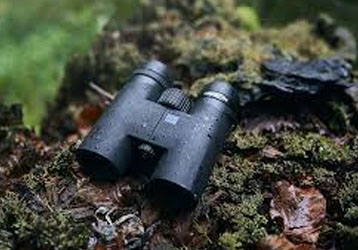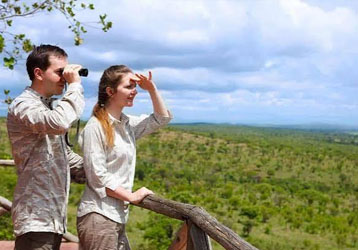










INJIE Optics Laser Rangefinders for Wildlife Conservation and Ecological Research
Protecting wildlife and maintaining healthy ecosystems require accurate field data. Conservation agencies, national parks, universities, forestry departments, and environmental organizations conduct regular ecological surveys to monitor wildlife populations, habitat conditions, vegetation growth, and biodiversity.
Traditional measuring methods often involve manual estimation or bulky surveying equipment, which can be time-consuming and may disturb wildlife. INJIE Optics Laser Rangefinders provide a fast, accurate, and non-invasive solution, allowing researchers to collect precise distance and height data while minimizing their impact on natural habitats.
Designed for demanding outdoor environments, INJIE Optics laser rangefinders support wildlife conservation projects, ecological research, habitat restoration, and long-term environmental monitoring around the world.
Why Laser Rangefinders Are Valuable for Ecological Research
Modern ecological studies depend on reliable spatial measurements. Whether tracking wildlife, evaluating forest structure, or documenting vegetation, laser rangefinders simplify fieldwork and improve data accuracy.
Common measurement tasks include:
Distance to animals
Tree height
Vegetation height
Habitat dimensions
Survey plot boundaries
Water source distance
Observation point positioning
Accurate measurements contribute to more reliable scientific analysis and better conservation planning.
Non-Contact Measurement Protects Wildlife
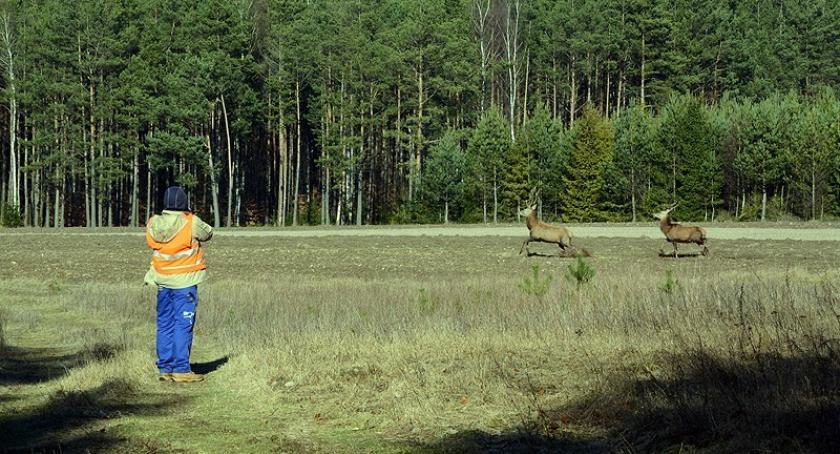
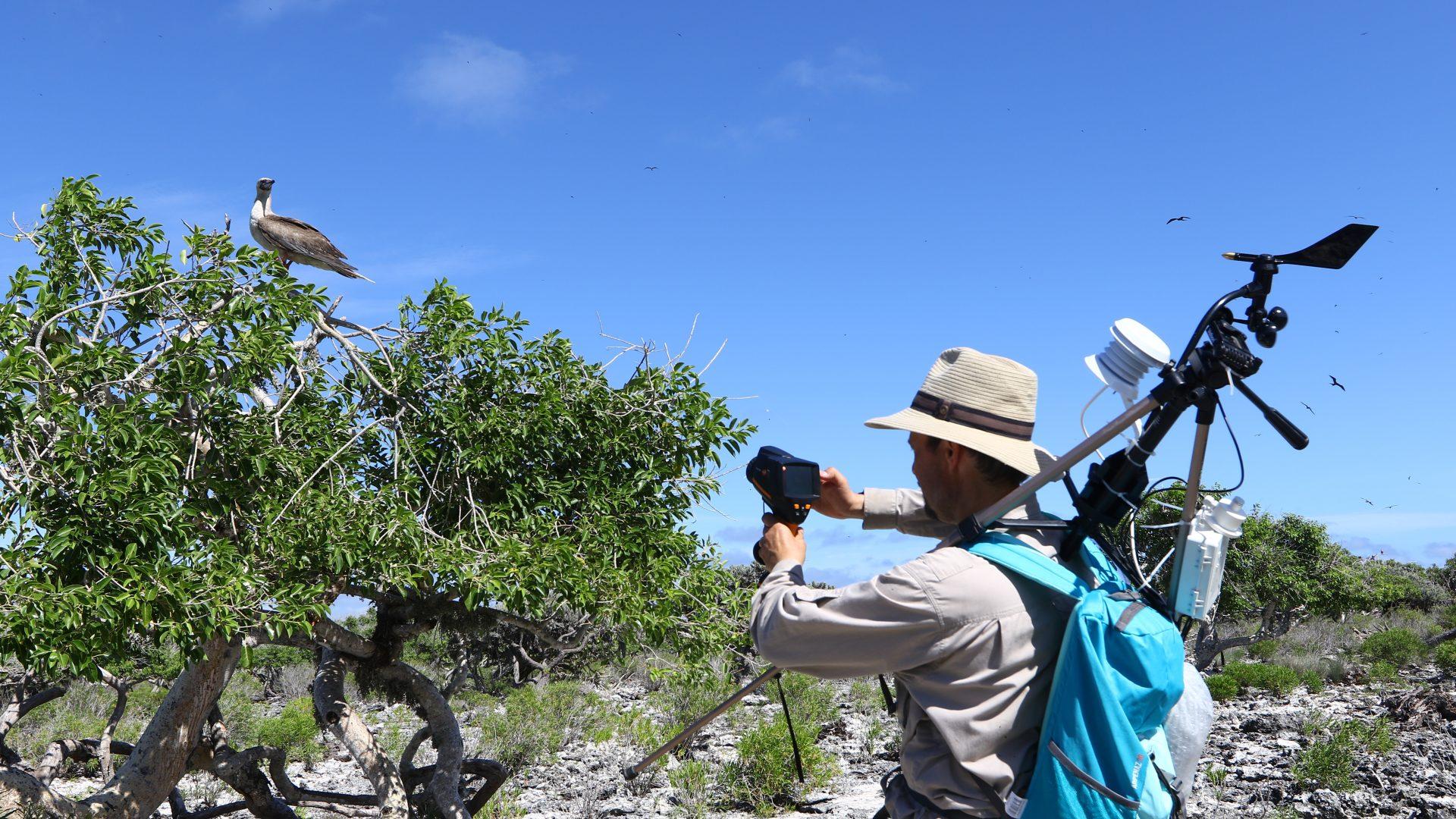

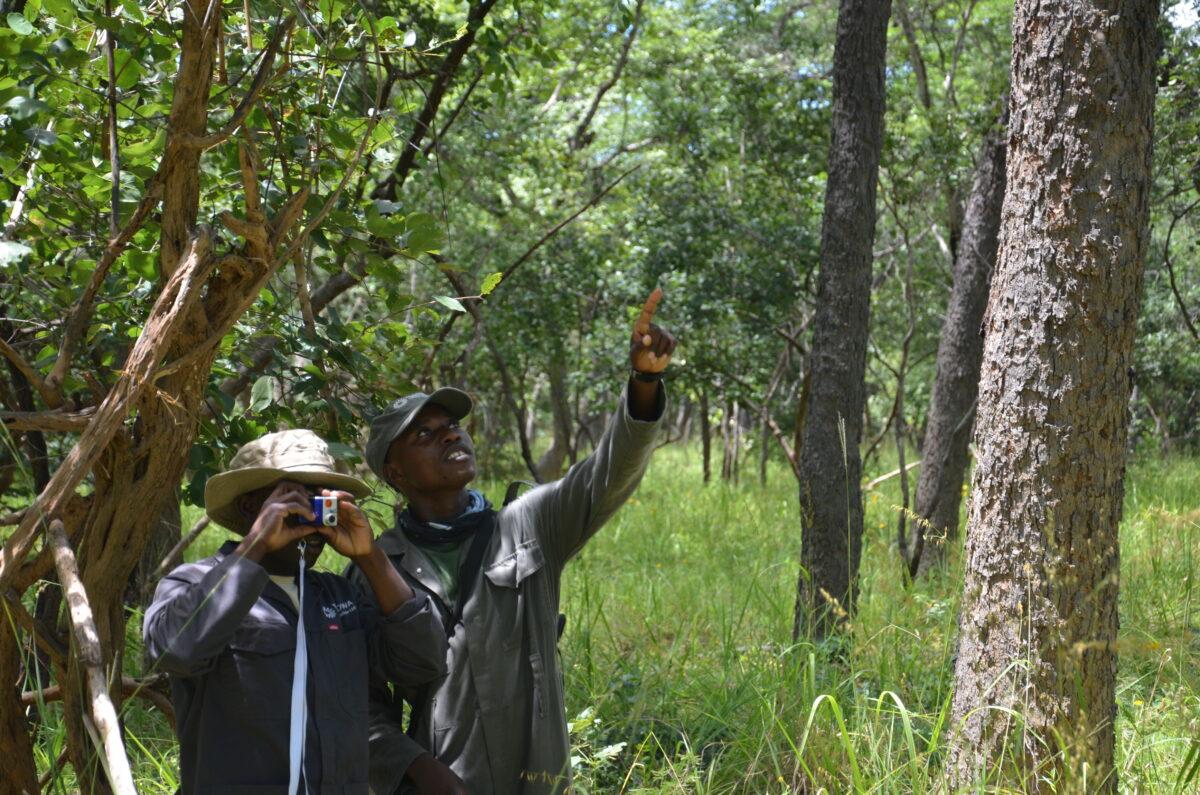
One of the biggest advantages of laser rangefinders is the ability to measure from a safe distance without disturbing animals.
Researchers can:
Observe nesting sites without approaching
Measure animal locations accurately
Record habitat dimensions
Monitor migration corridors
Survey endangered species
This non-contact approach reduces stress on wildlife while improving field safety for researchers.
Habitat Assessment Made More Efficient
Healthy habitats are essential for biodiversity conservation.
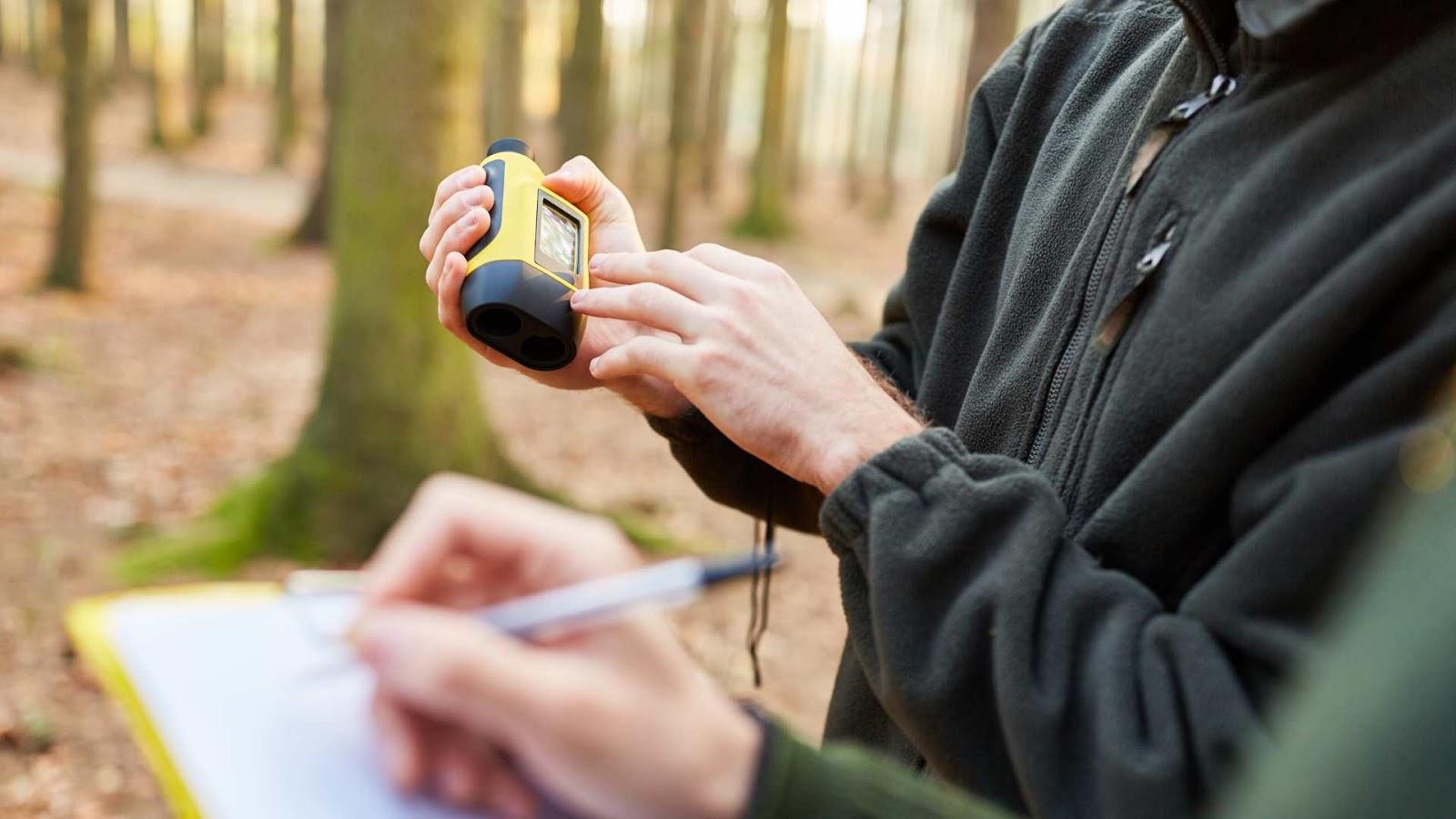
INJIE Optics laser rangefinders help field teams evaluate:
Forest canopy height
Wetland boundaries
Grassland coverage
Riverbank distances
Forest density
Ecological restoration areas
These measurements support habitat management plans and long-term ecosystem monitoring.
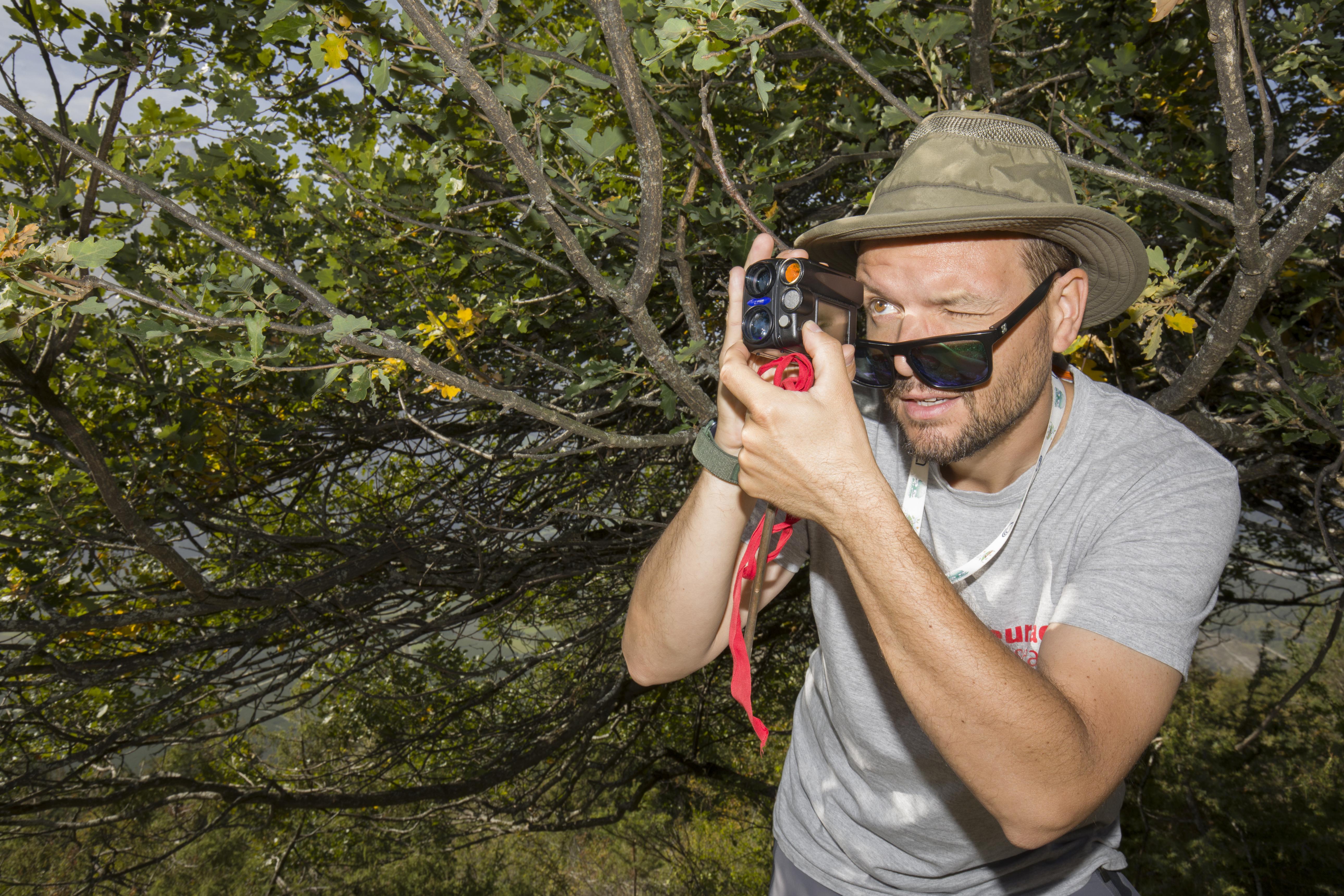
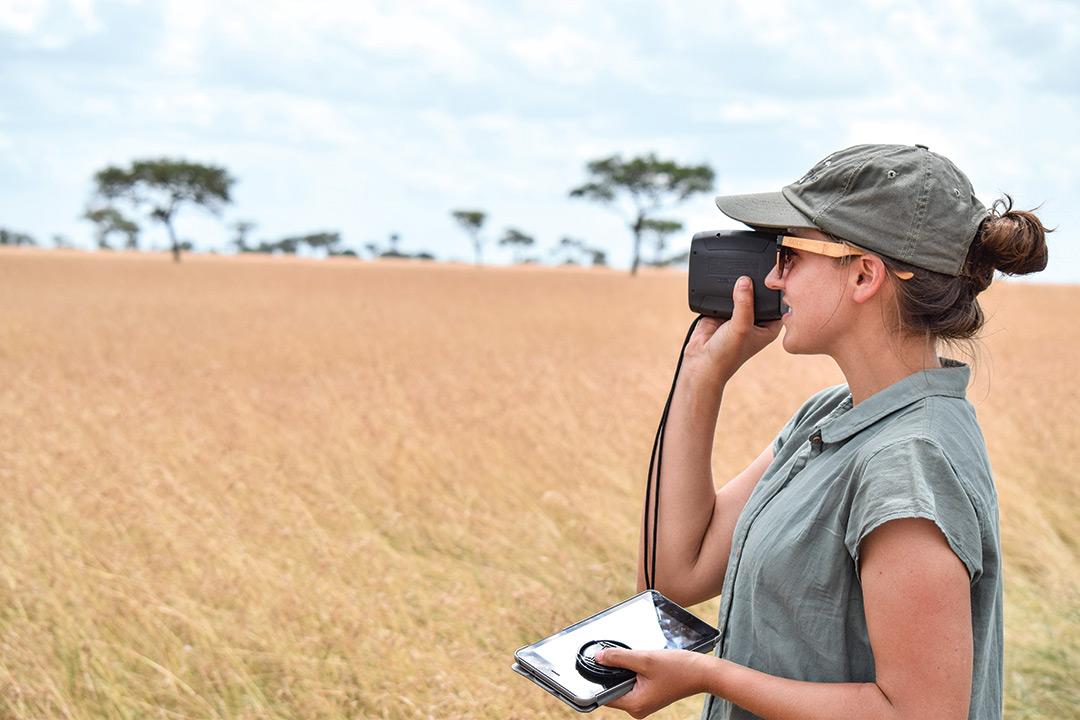
Supporting Biodiversity Monitoring
Environmental agencies often conduct biodiversity surveys to understand changes in ecosystems over time.
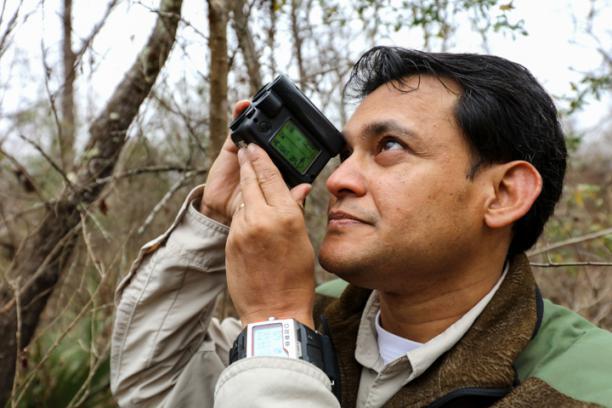
Laser rangefinders assist researchers by measuring:
Sampling plot dimensions
Observation distances
Tree spacing
Habitat fragmentation
Vegetation structure
Reliable measurement data improves the quality of biodiversity databases and scientific reports.
Tree Height and Vegetation Measurement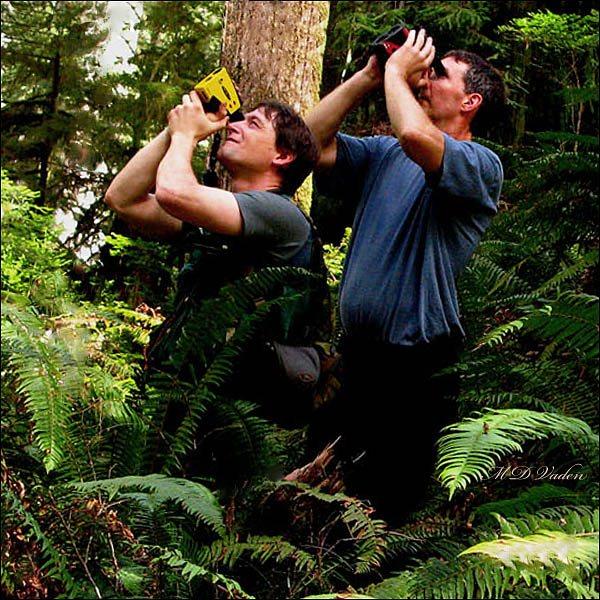
Forest structure is an important indicator of ecosystem health.
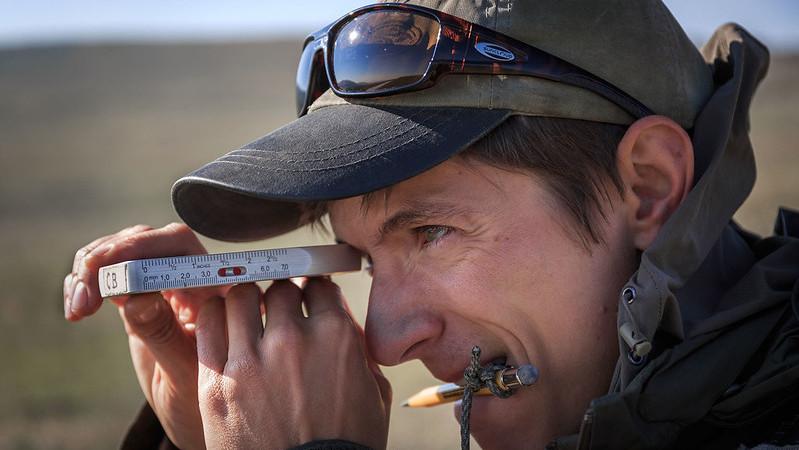
Using integrated angle and distance calculation functions, INJIE Optics laser rangefinders quickly determine:
Tree height
Shrub height
Canopy height
Vertical forest structure
Slope distance
This information supports carbon stock estimation, forest growth studies, and habitat quality assessments.
Long-Range Observation in Protected Areas
Many conservation projects take place in protected reserves where approaching wildlife is prohibited.
Long-range laser measurement enables researchers to:
Record wildlife locations
Estimate distances to observation points
Map nesting areas
Monitor large mammals
Survey inaccessible terrain
By reducing unnecessary movement, researchers minimize environmental disturbance while collecting accurate field data.
Built for Outdoor Field Research
Ecological surveys are often conducted in remote forests, mountains, wetlands, and grasslands.
INJIE Optics laser rangefinders feature rugged construction suitable for demanding environments.
Outdoor Advantages
Waterproof housing
Dust-resistant sealing
Shock-resistant body
Compact lightweight design
Long battery life
High-contrast OLED display
Easy one-handed operation
These features help researchers remain productive during long field expeditions.
Multiple Applications Beyond Conservation
INJIE Optics laser rangefinders are also widely used in:
National Park Management
Support infrastructure planning and visitor safety.
Forestry Resource Assessment
Measure tree growth and forest inventory data.
Environmental Impact Assessment
Collect baseline measurements before development projects.
Land Surveying
Assist with terrain mapping and boundary measurement.
Scientific Research
Support universities and research institutes conducting ecological field studies.
OEM & ODM Solutions for Scientific Equipment Brands
INJIE Optics works with global partners to develop customized laser measurement solutions.
Our manufacturing capabilities include:
OEM production
ODM product development
Private label branding
Customized firmware
Product appearance design
Packaging customization
User manual localization
International logistics support
We are committed to providing reliable measurement technology for conservation organizations, distributors, and scientific equipment suppliers worldwide.
The Future of Smart Ecological Measurement
As environmental monitoring becomes increasingly data-driven, laser measurement technology is evolving rapidly.
Future developments include:
Bluetooth data synchronization
GPS positioning integration
GIS mapping compatibility
Drone-assisted ecological surveys
AI-powered habitat analysis
Cloud-based environmental databases
Mobile application connectivity
Multi-sensor environmental monitoring systems
INJIE Optics continues investing in advanced technologies to support the future of wildlife conservation and ecological science.
Conclusion
Reliable measurement tools play an essential role in protecting forests, wildlife, and natural ecosystems. INJIE Optics Laser Rangefinders help researchers, conservation professionals, and forestry managers collect accurate field data efficiently while minimizing environmental impact.
From wildlife observation and habitat assessment to biodiversity monitoring and forest resource management, INJIE Optics delivers precision, durability, and innovation for today's environmental professionals.