









Handheld Laser Speed Gun for Traffic Speed Measurement
With the increasing demand for traffic safety management and vehicle speed monitoring, professional speed measurement equipment is becoming increasingly important.
A handheld laser speed gun is a portable device designed to measure the speed of moving vehicles and other suitable moving targets.
Compared with traditional fixed monitoring equipment, handheld speed measurement devices offer greater flexibility and can be deployed in different locations according to operational requirements.
Depending on the product configuration, a handheld laser speed meter may support:
Vehicle speed measurement
Long-distance target detection
Laser distance measurement
Target identification
Optical observation
Image capture
Video recording
Data storage
Location information
Data transmission
These functions can support professional traffic management and selected vehicle testing applications.
What Is a Handheld Laser Speed Gun?
A handheld laser speed gun is a portable optical speed measurement device.
It uses laser-based measurement technology to detect changes in the distance between the instrument and a moving target.
By measuring the target's changing position over a short period of time, the device can calculate speed information.
Laser speed measurement is commonly associated with LIDAR technology, which uses pulses of light rather than the radio-frequency signals used by conventional radar systems.
How Does a Handheld Laser Speed Meter Work?
The basic measurement process involves several stages.
First, the operator selects a suitable moving target.
The laser speed device sends laser pulses toward the target.
The reflected signal is received by the instrument.
The device then calculates distance information.
By analyzing changes in distance over time, the system can determine the speed of the moving target.
This allows a handheld laser speed gun to provide real-time speed information.
Why Is a Handheld Laser Speed Gun Important?
Traffic environments can contain multiple vehicles moving at the same time.
Professional operators may need to identify and measure a specific vehicle.
The directional characteristics of laser-based measurement can support more precise target selection in suitable applications. Handheld LIDAR speed devices are widely positioned for pinpointing specific vehicles, particularly in complex traffic environments.(Laser Tech)
This can be useful for:
Highway monitoring
Urban traffic management
Road safety operations
Temporary traffic inspection
Vehicle speed testing
Handheld Design for Flexible Deployment
One important advantage of handheld equipment is portability.
A portable speed meter can be transported between different monitoring locations.
Potential deployment locations may include:
Highways
Urban roads
Traffic checkpoints
Temporary monitoring locations
Special events
Vehicle testing areas
The compact design can provide greater flexibility compared with permanently installed systems.
Laser Speed Measurement for Traffic Applications
Traffic management organizations may require reliable vehicle speed information.
A handheld laser speed meter can support selected applications involving:
Vehicle speed monitoring
Traffic studies
Road safety management
Speed data collection
Vehicle testing
Where measurements are used for enforcement or evidentiary purposes, applicable local laws, approvals, calibration requirements and operator procedures should be confirmed before deployment.
Target Identification
Target identification is an important consideration in traffic measurement.
On busy roads, multiple vehicles may travel close to each other.
A laser-based system with suitable optical observation can help the operator aim at an intended target.
Important factors may include:
Optical clarity
Target visibility
Measurement distance
Operator technique
Traffic conditions
Long Distance Vehicle Speed Measurement
Some professional handheld laser speed guns are designed for long-distance measurement.
Long-distance performance can be useful when vehicles are located far from the observation position.
Actual performance may depend on:
Target size
Vehicle surface characteristics
Weather
Atmospheric conditions
Visibility
Operator aiming
Professional buyers should test equipment under representative application conditions.
Optical Observation
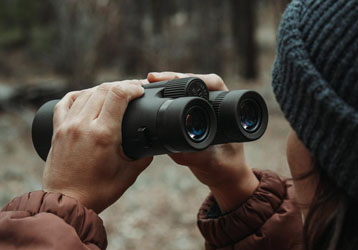
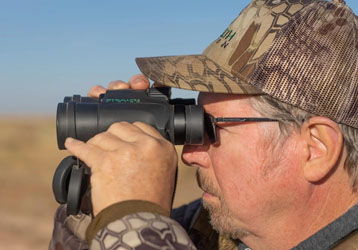
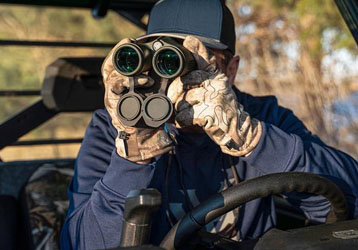
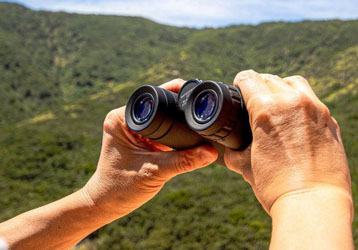
Many professional speed measurement systems include an optical observation system.
Optical magnification can help operators:
Locate distant vehicles
Identify the intended target
Improve target acquisition
Observe vehicle movement
Optical performance should be evaluated according to the expected working distance.
Laser Speed Measurement and Radar Speed Measurement
Laser and radar are both used for speed measurement, but the technologies operate differently.
Radar systems generally use radio-frequency signals and Doppler-based measurement principles.
Laser speed measurement systems use pulsed laser technology and analyze changes in the distance to a moving target.
The appropriate technology depends on the application, operating environment and regulatory requirements.
Handheld Laser Speed Gun for Highway Monitoring
Highways may involve:
Higher vehicle speeds
Long observation distances
Multiple traffic lanes
Continuous vehicle movement
A portable laser speed measurement device can support temporary or mobile monitoring operations.
Operators should use the equipment according to applicable traffic management procedures.
Handheld Laser Speed Meter for Urban Roads
Urban traffic environments may include:
Multiple vehicles
Intersections
Complex traffic flow
Shorter observation distances
Portable equipment can provide flexible deployment for selected traffic monitoring applications.
Temporary Traffic Monitoring
Some situations may require temporary speed monitoring.
Examples include:
Road construction areas
Special events
Temporary traffic control
Safety campaigns
Vehicle inspections
A handheld device can be transported and deployed when required.
Vehicle Testing Applications
Handheld laser speed meters may also be used in selected vehicle testing applications.
Potential uses include:
Vehicle performance testing
Speed measurement
Road testing
Research applications
Technical demonstrations
The selected equipment should match the required measurement accuracy and testing standards.
Image and Video Recording
Some professional laser speed measurement systems may integrate imaging functions.
Depending on the configuration, the device may support:
Image capture
Video recording
Measurement data recording
Time information
Location information
Integrated data collection can support operational documentation requirements.
Data Storage and Management
Modern professional equipment may support digital data management.
Possible functions include:
Measurement record storage
Image storage
Video storage
Data export
Data transmission
The required functions depend on the customer's application.
Outdoor Operation
Traffic monitoring often takes place outdoors.
Environmental conditions may include:
Rain
Dust
Humidity
Strong sunlight
High temperatures
Low temperatures
Buyers should review the environmental specifications before selecting equipment.
Waterproof and Durable Design
Professional field equipment may require protection against outdoor conditions.
Important considerations include:
Housing durability
Waterproof protection
Dust resistance
Lens protection
Operating temperature
The actual protection level should always be confirmed in the manufacturer's specifications.
Battery Performance
Handheld equipment depends on battery performance.
Professional users should consider:
Battery capacity
Operating time
Charging method
Replaceable battery options
Power management
Longer operating time can support extended field work.
How to Choose a Handheld Laser Speed Gun
Before purchasing, professional buyers should consider several important factors.
Measurement Performance
Confirm whether the measurement range and accuracy are suitable for the intended application.
Target Distance
Choose a suitable measurement distance for highways, urban roads or testing locations.
Target Acquisition
Evaluate optical observation and target identification.
Data Functions
Determine whether image, video or measurement data storage is required.
Environmental Protection
Consider outdoor weather and working conditions.
Portability
Evaluate product size, weight and handheld operation.
Battery
Consider expected operating time.
Data Management
Check whether data export or transmission functions are required.
How to Test a Handheld Laser Speed Meter
Professional buyers should conduct practical testing before bulk purchasing.
Recommended testing may include:
Speed Measurement Test
Measure suitable moving targets under controlled conditions.
Distance Test
Test the equipment at different target distances.
Repeatability Test
Measure the same type of target repeatedly.
Target Selection Test
Evaluate performance in environments containing multiple moving vehicles.
Optical Test
Check target visibility and observation quality.
Outdoor Test
Evaluate performance under representative environmental conditions.
Handheld Laser Speed Gun for B2B Buyers
Potential customers may include:
Traffic equipment distributors
Road safety equipment suppliers
Professional measurement equipment companies
Vehicle testing organizations
Government procurement suppliers
Security equipment distributors
B2B buyers should evaluate both the product and the supplier's professional capabilities.
OEM Handheld Laser Speed Meter
OEM services may allow distributors to develop products under their own brand.
Possible customization may include:
Brand logo
Product labels
Packaging
User manuals
Accessories
OEM solutions can support distributors building their own traffic measurement product portfolio.
ODM Laser Speed Measurement Equipment
ODM development may be suitable for customers with specialized requirements.
Potential customization areas include:
Product housing
Optical system
Measurement functions
User interface
Display
Data functions
Accessories
Packaging
Technical requirements should be confirmed before product development.
How to Choose a Handheld Laser Speed Gun Manufacturer
When selecting a supplier, professional buyers should consider:
Product development capability
Manufacturing experience
Quality control
Product testing
OEM capability
ODM capability
Technical documentation
After-sales support
A reliable manufacturer should provide clear product specifications and application information.
Frequently Asked Questions
What is a handheld laser speed gun?
A handheld laser speed gun is a portable device designed to measure the speed of suitable moving targets using laser-based measurement technology.
How does a laser speed meter work?
The device measures changes in the distance between the instrument and a moving target over time and calculates speed information.
What is the difference between a laser speed gun and a radar speed gun?
Laser systems use pulsed light-based measurement, while radar systems use radio-frequency signals and Doppler-based measurement.
Can a handheld laser speed gun measure vehicles at a distance?
Suitable professional models can support long-distance vehicle measurement, depending on product specifications and environmental conditions.
Can handheld speed meters be used outdoors?
Yes, suitable products can be designed for outdoor use. Buyers should check the actual environmental specifications.
Can a laser speed gun record images?
Some professional models may integrate image or video recording functions.
Can handheld laser speed guns be customized?
Depending on the manufacturer, OEM and ODM customization services may be available.
What should B2B buyers check before purchasing?
Buyers should evaluate measurement performance, target distance, optical system, data functions, environmental protection and supplier capability.