









Night Vision Devices for Outdoor Security and Monitoring: Features and Selection Guide
Outdoor security and monitoring often require reliable visual observation after sunset, when natural illumination becomes limited. Conventional cameras and optical devices may struggle to capture useful details in dark environments, especially when the monitored area has uneven lighting or contains distant objects.
Night vision devices offer a practical solution by using sensitive imaging sensors, infrared illumination, and digital image processing to improve visibility under low-light conditions. Depending on the system design, these devices can support perimeter observation, facility monitoring, outdoor equipment inspection, and other applications that require nighttime visibility.
Selecting suitable night vision equipment involves more than comparing resolution or advertised viewing distance. Buyers should consider the lighting environment, target distance, field of view, image quality, power supply, environmental protection, and system compatibility.
Why Night Vision Is Important for Outdoor Monitoring
Outdoor monitoring conditions can change significantly between daytime and nighttime. During the day, natural light may provide sufficient illumination for conventional optical systems. After dark, the same location may contain deep shadows, poorly illuminated corners, and areas where objects are difficult to distinguish.
Night vision technology helps address these challenges by collecting available light or using compatible infrared illumination to improve image capture.
For monitoring applications, useful nighttime visibility can help operators inspect outdoor areas, review recorded events, and observe changes in the surrounding environment.
The appropriate equipment depends on the task. A compact monocular may be suitable for mobile inspection, while a fixed digital imaging system may be more appropriate for continuous monitoring of a defined area.
Common Types of Night Vision Equipment
Digital Night Vision Cameras
Digital night vision cameras use electronic image sensors to capture and process visual information. Depending on the model, they may operate with available light or incorporate infrared illumination for darker conditions.
Some systems support continuous recording, remote viewing, image storage, or integration with compatible monitoring equipment.
When evaluating a camera, buyers should check its native image resolution, low-light sensitivity, recording capabilities, supported connections, and operating limits. A camera designed for indoor use may not provide sufficient protection for an exposed outdoor installation.
Night Vision Monoculars
A night vision monocular is a portable device designed for viewing through one optical channel. It can be useful for personnel who need to inspect different locations rather than monitor a single fixed area.
Monoculars may be appropriate for site inspections, outdoor patrols, equipment checks, and general observation. Depending on the model, they may include adjustable infrared illumination, digital zoom, or image recording.
Important selection factors include weight, focus adjustment, field of view, battery life, and the clarity of the displayed image.
Night Vision Binoculars
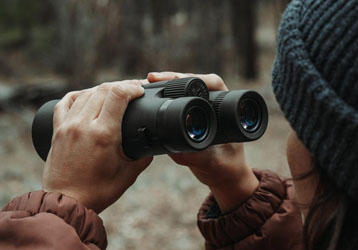
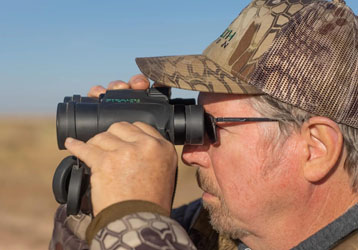
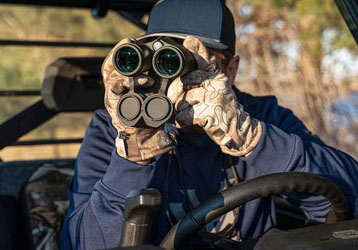
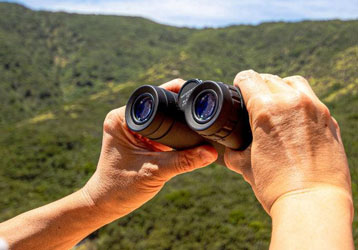
Night vision binoculars allow users to observe with both eyes and may provide a comfortable viewing experience during extended monitoring sessions.
They can be useful when operators need to inspect larger outdoor areas, observe distant features, or follow movement over time.
Buyers should compare optical performance, viewing comfort, field of view, infrared capability, and operating duration. The best configuration depends on the expected observation distance and the amount of detail required.
Integrated Low-Light Imaging Systems
Some monitoring systems combine imaging sensors, infrared illumination, digital processing, and recording functions in one unit.
Integrated systems may simplify installation and operation, but their suitability depends on compatibility with existing infrastructure, data storage requirements, power availability, and the environmental conditions at the installation site.
Before purchasing, confirm whether the system supports the required recording format, network connection, control interface, and maintenance procedures.
Understanding Low-Light Image Quality
Image quality is a central consideration when selecting night vision equipment. A device must capture enough useful information to distinguish relevant objects from the background.
Several components influence the final result.
Image Sensor Performance
The sensor converts incoming light into electronic signals. Sensor sensitivity, resolution, exposure control, and noise characteristics affect how well the device performs under limited illumination.
A high-resolution specification does not automatically guarantee clear nighttime images. If the sensor receives insufficient light, fine details may remain difficult to distinguish.
For security monitoring, buyers should review sample images captured in conditions similar to the intended installation environment.
Optical Lens Quality
The lens collects light and focuses it onto the sensor. Optical transmission, focal length, aperture, and lens design influence brightness and image detail.
A wide-angle lens can cover a larger area, while a longer focal length may be more suitable for viewing a specific distant location. These configurations involve trade-offs between scene coverage and subject detail.
Image Processing
Digital image processing can adjust brightness, contrast, and other image characteristics. It may improve the visibility of features that are difficult to see in the original sensor output.
However, aggressive enhancement can also increase visible noise or reduce natural detail. Equipment should therefore be assessed using real images rather than display brightness alone.
The Role of Infrared Illumination
Infrared illumination can support digital night vision when natural light is insufficient. A compatible illuminator emits near-infrared light that reflects from objects and is detected by the image sensor.
The effectiveness of infrared illumination depends on output, wavelength, beam angle, sensor sensitivity, lens performance, and environmental conditions.
Choosing Between 850nm and 940nm
Many digital night vision systems use infrared illumination near 850nm or 940nm.
An 850nm illuminator may provide effective illumination for compatible sensors, although some models produce a faint visible red glow around the emitter.
A 940nm illuminator generally produces less visible glow, but some sensors are less sensitive at this wavelength. Consequently, image brightness and effective viewing distance can vary between products.
Neither wavelength is automatically best for every monitoring environment. Buyers should compare the actual performance of the complete imaging system and consider whether visible glow, illumination strength, or coverage is the primary requirement.
Beam Angle and Coverage
The infrared beam should match the area being monitored. A narrow beam concentrates illumination on a smaller region, while a wider beam covers more of the surrounding scene.
If the illumination pattern does not match the camera's field of view, some areas may appear too bright while others remain dark.
For this reason, the illuminator, lens, and sensor should be evaluated as parts of a single system.
Selecting the Right Field of View
Field of view determines how much of a scene is visible through an optical or imaging system. It is particularly important in outdoor monitoring because the area may include nearby objects, distant boundaries, and areas with different lighting conditions.
A wide field of view can help cover entrances, yards, and open spaces. However, distant subjects may occupy only a small portion of the image.
A narrower field of view can provide greater detail in a specific direction but may leave other parts of the area outside the image.
The best configuration depends on the size of the monitored area, the distance to relevant objects, the mounting position, and the level of detail required.
For fixed installations, buyers should consider the complete scene layout before selecting a lens or camera position.
Environmental Protection and Outdoor Reliability
Outdoor equipment may be exposed to rain, dust, humidity, temperature changes, and vibration. These conditions can affect both reliability and image quality.
When selecting equipment for outdoor monitoring, examine the manufacturer's stated environmental specifications.
Important considerations include:
Housing protection against dust and water.
Permitted operating temperature.
Lens protection and cleaning requirements.
Resistance to routine handling and vibration.
Power connector protection.
Storage and maintenance recommendations.
An ingress protection rating, when provided, can help buyers understand the level of protection against solids and water under specified test conditions. It should not be interpreted as a guarantee that the device can withstand every environmental situation.
Correct installation and routine maintenance remain important for long-term performance.
Power Supply and Data Storage
Night vision equipment may need to operate for extended periods, particularly when used for continuous monitoring.
For battery-powered devices, operating time depends on battery capacity, infrared illumination, screen brightness, recording activity, temperature, and power-management settings.
Fixed systems may use a dedicated power supply or another supported power configuration. Buyers should confirm voltage requirements, connector compatibility, backup-power options, and installation conditions.
Data storage is another important factor. Recording systems may support local memory, removable storage, network storage, or other methods depending on the model.
Before purchasing, verify storage capacity, file format, recording duration, data access, and retention requirements. Where monitoring involves personal information, storage and access should also comply with applicable privacy and data protection laws.
Night Vision for Different Monitoring Environments
Commercial Facilities
Warehouses, industrial yards, and commercial properties may require observation of entrances, loading areas, and outdoor equipment.
A suitable night vision system should match the dimensions of the monitored area and the required level of image detail. Low-light performance, recording functions, and environmental protection may be especially important.
Residential Outdoor Areas
Residential monitoring may involve entrances, driveways, gardens, and other outdoor spaces.
Users should consider the camera's viewing angle, lighting conditions, installation position, and recording requirements. Devices should be positioned responsibly to avoid unnecessary observation of neighboring private spaces.
Industrial Sites
Industrial environments can contain dust, moisture, temperature variation, and complex lighting. Equipment selection should reflect these conditions.
For specialized environments, buyers should verify whether the device meets the necessary operating and safety requirements rather than assuming that general-purpose outdoor equipment is sufficient.
Remote Locations
Remote monitoring locations may have limited access to electrical power, network connections, and maintenance personnel.
In these situations, energy efficiency, local recording, battery capacity, environmental durability, and straightforward operation may be important selection criteria.
The most suitable configuration depends on the expected monitoring duration and available infrastructure.
Night Vision vs. Thermal Imaging for Monitoring
Digital night vision and thermal imaging offer different capabilities.
Digital night vision uses available light or reflected near-infrared illumination to produce a visual image. It may be useful when recognizable scene details are important.
Thermal imaging detects infrared radiation associated with the temperature of objects and displays differences in thermal contrast. It can support observation without relying on reflected visible light in the same way as digital night vision.
However, thermal performance depends on temperature differences, sensor characteristics, atmospheric conditions, and target properties. It does not guarantee that every object will be visible in every environment.
The choice between the two technologies should be based on the information the user needs, the characteristics of the monitored area, and the equipment's actual performance.
Common Mistakes When Choosing Night Vision Equipment
One common mistake is selecting equipment solely on the basis of maximum advertised viewing distance. Such figures may refer to detecting a target rather than recognizing its identity or seeing fine details.
Another mistake is ignoring the field of view. A device with strong magnification may not be suitable for monitoring a broad area.
Buyers may also overlook infrared beam coverage, power requirements, environmental protection, recording compatibility, and installation limitations.
A further issue is assuming that a product designed for temporary observation will automatically be suitable for continuous operation. Operating duration, heat management, power supply, and manufacturer guidance should be reviewed before using equipment in a fixed monitoring role.
Careful evaluation of the intended application can prevent unnecessary costs and improve the suitability of the final system.
Maintenance and Performance Checks
Regular inspection helps keep night vision equipment operating as intended.
Clean optical surfaces according to the manufacturer's recommendations and inspect the housing for signs of damage or moisture. Check cables, connectors, batteries, and mounting hardware where applicable.
For recording systems, periodically verify that storage is functioning correctly and that recorded files can be accessed as expected.
It is also useful to test the system under different lighting conditions. This can reveal areas where infrared coverage is insufficient, the field of view needs adjustment, or reflections interfere with the image.
Maintenance schedules should reflect the equipment's design, operating environment, and manufacturer's instructions.
Future Developments in Night Vision Monitoring
Night vision monitoring technology continues to develop through improvements in sensors, digital image processing, optical systems, power management, and connectivity.
More sensitive sensors may help capture useful images under weaker illumination. Improved processing can support more consistent contrast, while more efficient electronics may reduce power consumption.
Integrated recording and network functions can also simplify the collection and review of observation data. However, the usefulness of these features depends on reliability, compatibility, data security, and the requirements of the specific application.
For buyers, practical performance and long-term suitability remain more important than the number of features listed in a product description.
Conclusion
Night vision devices can support outdoor security and monitoring by improving visibility under limited illumination. Digital cameras, monoculars, binoculars, and integrated imaging systems offer different advantages depending on the environment and observation requirements.
Before selecting equipment, consider sensor sensitivity, lens quality, infrared illumination, field of view, power supply, storage, and environmental protection. The distinction between detecting an object and identifying its details should also be considered when reviewing advertised viewing distances.
A carefully selected system can provide useful nighttime observation while meeting the practical requirements of the installation. Clear specifications, realistic performance testing, responsible use, and regular maintenance all contribute to more effective monitoring.