









How to Choose the Best Hunting Laser Rangefinder in 2026
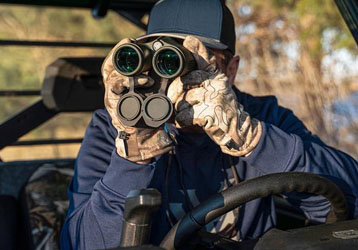
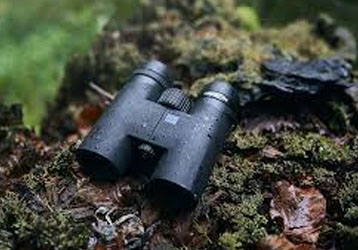
A hunting laser rangefinder has become one of the most important tools for modern hunters. Accurate distance measurement can mean the difference between a successful hunt and a missed opportunity. As rangefinder technology continues to advance, hunters now have access to more features, greater accuracy, and longer measuring distances than ever before.
However, with so many models available on the market, choosing the right hunting laser rangefinder can be challenging. This guide explains the key features to consider when selecting the best hunting rangefinder in 2026.
Why Hunters Need a Laser Rangefinder
Estimating distance by eye is difficult, especially in unfamiliar terrain.
Factors such as:
- Hills and valleys
- Dense forests
- Open grasslands
- Low-light conditions
- Animal movement
can all affect a hunter's ability to judge range accurately.
A laser rangefinder removes uncertainty by providing precise distance measurements in seconds, helping hunters make better shooting decisions.
Important Features to Consider
1. Maximum Measurement Range
One of the first specifications hunters notice is maximum ranging distance.
Common categories include:
| Type | Distance Range |
|---|---|
| Entry-Level | 600–800 yards |
| Mid-Range | 1000–1500 yards |
| Professional | 2000+ yards |
Even if most hunting shots occur within a few hundred yards, a longer ranging capability often indicates stronger laser performance and better target detection.
2. Measurement Accuracy
Accuracy is critical for successful hunting.
A quality hunting laser rangefinder should provide:
- ±1 yard accuracy
- Fast measurement response
- Consistent readings
Reliable accuracy becomes increasingly important as shooting distances increase.
3. Angle Compensation Technology
When hunting from elevated positions such as tree stands or mountain slopes, line-of-sight distance is not always the same as shooting distance.
Angle compensation calculates the equivalent horizontal distance, providing more useful information for accurate aiming.
Hunters who frequently operate in uneven terrain should consider this feature essential.
4. Optical Quality
The optical system directly affects target identification.
Look for features such as:
- Fully Multi-Coated lenses
- High light transmission
- HD optical glass
- Sharp edge-to-edge clarity
A brighter image helps hunters identify targets more effectively during early morning and evening hours.
5. Magnification
Most hunting rangefinders offer:
- 6x magnification
- 7x magnification
- 8x magnification
Higher magnification improves long-distance observation while maintaining portability.
For most hunting applications, 6x or 7x magnification provides an ideal balance.
6. Display Technology
Modern rangefinders typically use:
- LCD Displays
- OLED Displays
OLED displays often provide:
- Better contrast
- Improved visibility
- Adjustable brightness settings
These advantages can be especially helpful during low-light hunting conditions.
7. Waterproof Performance
Weather conditions can change quickly during outdoor activities.
A dependable hunting rangefinder should feature:
- Waterproof housing
- Fog-proof optics
- Dust-resistant construction
- Shock-resistant protection
These features ensure long-term durability and reliability.
Best Hunting Situations for Using a Rangefinder
Deer Hunting
Laser rangefinders help determine precise shooting distances before a deer enters an open shooting lane.
Elk Hunting
Long-distance ranging and angle compensation are valuable tools when hunting elk in mountainous terrain.
Wild Boar Hunting
Fast scanning modes allow hunters to obtain measurements quickly when targets are moving.
Predator Hunting
Coyotes and foxes are often hunted at extended distances where precise range estimation becomes essential.
Common Mistakes When Buying a Hunting Rangefinder
Many hunters focus only on maximum ranging distance.
Other equally important factors include:
- Optical quality
- Accuracy consistency
- Weather resistance
- Display visibility
- Battery life
- Ergonomics
Choosing a balanced rangefinder often provides better real-world performance than selecting a model solely based on advertised distance.
Why INJIE Hunting Laser Rangefinders Stand Out
INJIE combines advanced laser technology with high-quality optics to deliver dependable performance in demanding outdoor environments.
Advantages include:
- Long-distance measurement capability
- Fast target acquisition
- HD optical clarity
- Angle compensation modes
- Lightweight portable design
- Rugged waterproof construction
- User-friendly operation
Whether you are a beginner or an experienced hunter, INJIE rangefinders provide reliable ranging performance for a wide range of hunting scenarios.
Future Innovations in Hunting Rangefinders
The next generation of hunting rangefinders is expected to include:
- Integrated ballistic calculators
- Bluetooth connectivity
- Smartphone synchronization
- GPS mapping support
- Environmental sensors
- AI-assisted target recognition
These technologies will help hunters improve accuracy and decision-making in the field.
Final Thoughts
Choosing the best hunting laser rangefinder requires more than simply selecting the model with the longest range. Accuracy, optical quality, angle compensation, durability, and ease of use all contribute to overall performance.
A high-quality hunting rangefinder can increase confidence, improve shot placement, and support ethical hunting practices. For hunters seeking reliable performance and advanced technology, INJIE Hunting Laser Rangefinders offer an excellent solution for today's outdoor challenges.