









How to Choose Binoculars for Wildlife Observation: A Complete Guide to Outdoor Optics
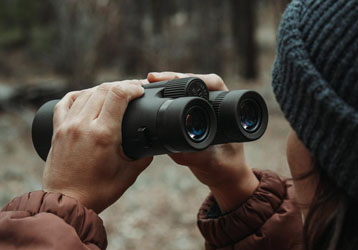
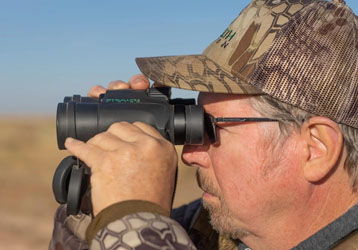
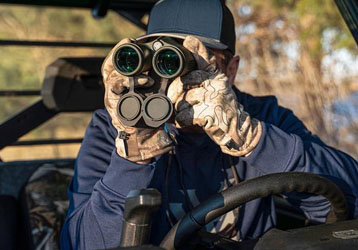
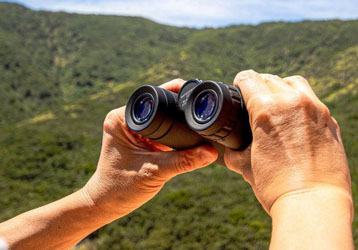
Wildlife observation requires clear optics, comfortable handling, and reliable performance in changing outdoor environments. Whether observing animals in forests, mountains, grasslands, wetlands, or national parks, the right wildlife binoculars can help users see distant animals while maintaining a safe and respectful observation distance.
Modern wildlife binoculars are available in many configurations, including 8×32, 8×42, 10×42, 10×50, and 12×50 binoculars. Different specifications provide different advantages in terms of magnification, field of view, brightness, size, and portability.
This guide explains the most important features to consider when choosing binoculars for wildlife observation.
Why Binoculars Are Important for Wildlife Observation
Wild animals can be difficult to observe because they may:
-
Stay far away from people
-
Move quickly
-
Hide in vegetation
-
Appear in low-light conditions
-
Blend into their surroundings
Binoculars provide optical magnification without requiring observers to approach animals.
This makes them useful for:
-
Wildlife watching
-
Bird watching
-
Nature research
-
Safari tours
-
Forest exploration
-
Mountain observation
-
Outdoor education
What Makes Good Wildlife Binoculars?
A good wildlife binocular should provide a balance of:
Magnification + Optical Clarity + Field of View + Brightness + Comfort + Durability
Maximum magnification is not necessarily the most important factor.
For many users, a stable and bright image with a wide field of view can be more useful than extremely high magnification.
8×42 Wildlife Binoculars
The 8×42 configuration is one of the most versatile options for wildlife observation.
It provides:
-
8× magnification
-
42 mm objective lens
-
Good image stability
-
Useful field of view
-
Balanced size and weight
8×42 binoculars are suitable for:
-
Forest observation
-
Safari
-
Bird watching
-
Hiking
-
General wildlife observation
They are particularly useful when animals are moving quickly because the lower magnification generally makes it easier to keep a subject in view.
10×42 Wildlife Binoculars
For users who need more magnification, 10×42 binoculars provide additional viewing power while maintaining a relatively compact design.
They are suitable for:
-
Open landscapes
-
Mountains
-
Grasslands
-
Long-distance wildlife observation
The main trade-off is that hand movement becomes more noticeable at 10× magnification.
10×50 Wildlife Binoculars
A 50 mm objective lens can collect more light than a 42 mm objective lens.
This can be useful for:
-
Dawn observation
-
Dusk observation
-
Cloudy conditions
-
Long-distance viewing
However, 10×50 binoculars are generally larger and heavier than 10×42 models.
12×50 Wildlife Binoculars
12×50 binoculars provide higher magnification for distant subjects.
They can be useful for:
-
Mountain observation
-
Open landscapes
-
Long-distance wildlife monitoring
However, high magnification increases sensitivity to hand movement.
A tripod or other stabilization solution may improve the viewing experience during extended observation.
Field of View and Wildlife Observation
Field of view is especially important when observing moving animals.
A wider field of view makes it easier to:
-
Locate animals
-
Track movement
-
Observe groups
-
Scan landscapes
For forest environments, a wide field of view can be particularly useful because animals may move quickly between trees and vegetation.
For open terrain, users may prioritize magnification and image detail.
Close Focus Distance
Wildlife does not always appear far away.
Animals may occasionally approach observation areas.
A short close-focus distance can be useful for:
-
Small animals
-
Birds
-
Insects
-
Butterflies
-
Nearby wildlife
Therefore, wildlife binoculars should be evaluated for both long-distance and close-range focusing capability.
ED Glass for Wildlife Binoculars
ED (Extra-low Dispersion) glass is used in many high-performance optical systems.
Its purpose is to help reduce chromatic aberration and improve image quality.
ED binoculars can be especially useful when observing:
-
Fine feather details
-
Animal fur
-
High-contrast subjects
-
Distant wildlife
-
Bright objects against dark backgrounds
For premium wildlife optics, ED glass is an important specification to consider.
Optical Coatings
The quality of optical coatings has a significant effect on light transmission and contrast.
Professional binoculars may use:
-
Fully multicoated lenses
-
Phase-corrected coatings
-
Dielectric prism coatings
These technologies can help improve:
-
Brightness
-
Contrast
-
Color reproduction
-
Image clarity
For wildlife observation during early morning or late afternoon, optical transmission becomes particularly important.
Low-Light Wildlife Observation
Many animals are active around sunrise and sunset.
Low-light performance depends on:
-
Objective lens diameter
-
Exit pupil
-
Optical transmission
-
Lens coatings
-
Glass quality
For example:
8×42 = 5.25 mm exit pupil
10×50 = 5.0 mm exit pupil
The exit pupil is calculated by dividing objective lens diameter by magnification.
However, exit pupil alone does not determine image brightness. Optical transmission and environmental conditions also influence actual viewing performance.
Waterproof Wildlife Binoculars
Wildlife observation often takes place outdoors in unpredictable weather.
Users may encounter:
-
Rain
-
Fog
-
Humidity
-
Snow
-
Dust
-
Wet vegetation
Waterproof construction can improve reliability.
For professional outdoor use, buyers should check the actual waterproof rating and test conditions provided by the manufacturer.
Fogproof Construction
Temperature changes can cause internal condensation.
Professional binoculars may use sealed and dry-gas-purged optical systems to reduce internal fogging.
This is particularly useful for:
-
Mountain observation
-
Winter wildlife watching
-
Rainforest environments
-
Coastal areas
-
Early morning observation
Lightweight Wildlife Binoculars
Wildlife observation can involve long periods of walking.
Heavy binoculars can cause fatigue during:
-
Hiking
-
Safari
-
Birding
-
Forest exploration
Compact models such as 8×32 binoculars can provide a useful balance between portability and optical performance.
For users who need better low-light performance, 8×42 binoculars may be a better choice.
Wildlife Binoculars for Different Environments
Forests
Recommended features:
-
8× magnification
-
Wide field of view
-
Short close focus
-
Compact body
-
Good optical transmission
Grasslands
Recommended:
-
10×42
-
10×50
-
High optical resolution
-
Long-distance observation capability
Mountains
Recommended:
-
10×42
-
10×50
-
ED glass
-
Waterproof housing
Wetlands
Recommended:
-
8×42
-
10×42
-
Waterproof construction
-
Wide field of view
Safari
Recommended:
-
8×42
-
10×42
-
Durable housing
-
Good low-light performance
8×42 vs. 10×42 Wildlife Binoculars
| Feature | 8×42 | 10×42 |
|---|---|---|
| Magnification | 8× | 10× |
| Objective Lens | 42 mm | 42 mm |
| Field of View | Generally Wider | Generally Narrower |
| Image Stability | Better | More Sensitive to Movement |
| Long-Distance Detail | Good | Better |
| Forest Observation | Excellent | Very Good |
| Open Terrain | Excellent | Excellent |
| Portability | Very Good | Very Good |
Choose 8×42 if:
You frequently observe in forests, wetlands, or moving environments.
Choose 10×42 if:
You frequently observe wildlife at longer distances in open areas.
Binoculars for Wildlife Photography Support
Binoculars can also be useful for photographers.
Before taking a photograph, binoculars can help photographers:
-
Locate animals
-
Study animal behavior
-
Select observation positions
-
Monitor distant subjects
This allows photographers to use their cameras more efficiently without constantly searching through a telephoto lens.
Binoculars for Nature Research
Professional wildlife researchers may use binoculars for:
-
Species observation
-
Population surveys
-
Behavioral studies
-
Habitat monitoring
-
Field research
For scientific applications, optical clarity and long-duration comfort can be more important than extreme magnification.
Digital and Smart Wildlife Binoculars
The development of digital optics is creating new possibilities.
Advanced binocular systems may integrate:
-
Digital image recording
-
Wi-Fi
-
Bluetooth
-
GPS
-
Electronic displays
-
Image stabilization
-
AI recognition
These functions can turn traditional binoculars into multifunctional observation devices.
Rangefinder Binoculars for Wildlife Observation
Some advanced binoculars integrate laser rangefinding.
A rangefinder binocular can combine:
Binocular Observation + Magnification + Distance Measurement
This can provide useful distance information when observing objects in large open areas.
Depending on the model, additional features may include:
-
Angle measurement
-
Environmental sensors
-
Digital display
-
Bluetooth connectivity
Users should select rangefinder functions according to their intended application and applicable local regulations.
How to Choose Wildlife Binoculars
Before purchasing, consider the following:
1. Observation Environment
Forest, mountain, grassland, wetland, and coastal environments may require different configurations.
2. Magnification
Choose moderate magnification for comfortable handheld observation.
3. Objective Lens
Larger objectives can improve light collection but increase weight.
4. Field of View
A wide field of view is helpful for moving animals.
5. Close Focus
Useful for observing nearby birds, insects, and small animals.
6. Optical Glass
ED glass can be considered for higher optical performance.
7. Waterproof Protection
Important for outdoor environments.
8. Weight
Choose a model that remains comfortable during extended observation.
Common Mistakes When Choosing Wildlife Binoculars
Mistake 1: Choosing the Highest Magnification
Higher magnification is not always better.
Mistake 2: Ignoring Field of View
A narrow field of view can make moving animals harder to track.
Mistake 3: Choosing Oversized Binoculars
Large binoculars may become uncomfortable during long hikes.
Mistake 4: Ignoring Close Focus
Nearby wildlife may be difficult to observe with a long minimum focusing distance.
Mistake 5: Focusing Only on Price
Optical alignment, coatings, mechanical precision, and waterproof construction all influence actual performance.
Professional Wildlife Binocular Manufacturing
A reliable binocular manufacturer should have capabilities in:
-
Optical design
-
Lens production
-
Prism assembly
-
Optical coating
-
Mechanical engineering
-
Waterproof sealing
-
Quality inspection
-
OEM/ODM customization
For international optical brands, OEM and ODM services can include:
-
Custom logo
-
Housing color
-
Packaging
-
Product specifications
-
Accessories
-
User manuals
Future Trends in Wildlife Observation Binoculars
Higher Optical Resolution
Advanced glass and coating technologies will continue to improve image quality.
Lightweight Materials
New materials can help reduce product weight without compromising durability.
Image Stabilization
Stabilization can make high-magnification binoculars easier to use handheld.
Thermal Integration
Thermal sensors can extend wildlife observation into low-light environments.
AI Recognition
AI may assist users with:
-
Species recognition
-
Object classification
-
Image analysis
-
Automatic recording
Conclusion
Wildlife binoculars are essential optical equipment for observing animals, birds, landscapes, and natural environments.
For general wildlife observation, 8×42 binoculars provide an excellent balance between image stability, field of view, brightness, and portability. For open terrain and longer-distance observation, 10×42 or 10×50 binoculars can provide additional magnification.
Premium users can consider ED glass, advanced optical coatings, waterproof construction, image stabilization, and rangefinder functions.
As optical technology continues to develop, binoculars are becoming more versatile and intelligent. The combination of high-performance optics, digital technology, laser ranging, thermal imaging, and AI is creating a new generation of professional outdoor observation equipment.