








Long-Range Rangefinder: A Practical Device for Long-Distance Target Measurement and Outdoor Applications
A long-range rangefinder is an optical measuring device designed to measure the distance to distant targets. It is widely used for outdoor observation, engineering measurement, construction measurement, terrain surveying, forest management, sports activities, and field operations. As the demand for long-distance target identification and rapid distance measurement continues to grow, long-range rangefinders are developing toward longer measuring ranges, improved measurement stability, and greater portability.
What Is a Long-Range Rangefinder?
A long-range rangefinder primarily calculates the distance between the device and a target by transmitting a measurement signal and receiving the signal reflected from the target.
Compared with traditional short-distance measuring tools, a long-range rangefinder can measure distance when the user cannot directly approach the target. This makes it particularly suitable for complex terrain, open areas, and work environments where distance information needs to be obtained quickly.
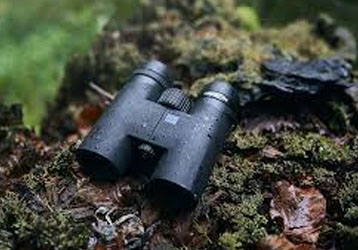
Current long-range distance-measuring equipment mainly includes laser rangefinders, rangefinding binoculars, and rangefinding devices that integrate optical observation functions.
What Are the Main Features of a Long-Range Rangefinder?
The core advantage of a long-range rangefinder is its ability to quickly obtain distance information from distant targets. During actual use, users generally focus on the following aspects:
Long-Range Measuring Capability
Measuring range is one of the most important factors when evaluating a rangefinder. Different devices have different measurement ranges, while the actual measuring distance can also be affected by target reflectivity, weather conditions, ambient light, and target size.
For users who need to measure distant targets, it is important to select an appropriate measuring range based on the actual application rather than simply pursuing the largest theoretical measurement distance.
Fast Measurement Results
Modern long-range rangefinders generally emphasize fast measurement. After aiming at a target, users can obtain distance data within a short period of time, reducing the time required for manual calculations and repeated measurements.
In outdoor work, engineering environments, and target observation, quickly obtaining data can improve overall work efficiency.
Optical Observation Function
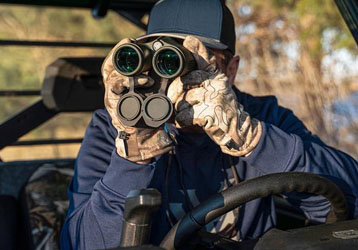
Some long-range rangefinders use a telescope-style optical design, allowing users to observe distant targets while measuring their distance.
This design makes it easier to locate targets, especially when distant targets are small, the background is complex, or precise aiming is required.
Portable Design
Long-range rangefinders are often used outdoors, so device weight, size, and operation are also important considerations.
A portable design can reduce the burden of carrying the equipment for extended periods, making the device more suitable for outdoor travel, engineering inspections, terrain observation, and field operations.
What Applications Are Long-Range Rangefinders Suitable For?
Long-range rangefinders have a wide range of applications.
Outdoor Activities
In outdoor environments, users may need to quickly determine the distance to mountains, buildings, roads, or other targets. A long-range rangefinder can provide direct distance data for outdoor observation and route assessment.
Engineering Measurement
During engineering construction and on-site surveying, some targets may be difficult to approach directly. A long-range rangefinder can be used to measure distance from a convenient and relatively safe position, improving field measurement efficiency.
Building and Site Measurement
The height of buildings, site distances, and distances between distant structures can be measured with long-range distance-measuring equipment according to the capabilities of the device.
For professionals who need to obtain field data quickly, portable measuring equipment can reduce the number of steps required by traditional measurement methods.
Power and Facility Inspection
Power facilities, communication infrastructure, and large industrial installations are often distributed across large areas. A long-range rangefinder can be used as an auxiliary observation and distance-assessment tool to help workers obtain approximate distance information between the target and the operator.
Forest and Natural Environment Observation
In forests, mountainous areas, and nature reserves, it may not be possible to approach certain targets directly. A long-range rangefinder can be combined with optical observation to help determine target distance.
How to Choose a Long-Range Rangefinder?
When selecting a long-range rangefinder, users should consider the actual operating environment and measurement requirements.
First, pay attention to the actual measuring range of the device. Different applications have different distance requirements. Outdoor observation, engineering measurement, and professional surveying may require different specifications.
Second, consider the optical system. A clear optical field of view can help users locate distant targets more easily and improve the overall operating experience.
Other factors to consider include the operating method, displayed information, battery life, protection performance, and overall portability.
For users who frequently work outdoors, whether the device is easy to carry and operate is equally important.
What Affects the Accuracy of a Long-Range Rangefinder?
Long-distance measurement is not determined solely by the device itself. Actual measurement results can also be affected by various external conditions.
The reflective characteristics of the target surface can affect the reception of the measurement signal. Weather conditions, fog, rain, and strong sunlight may also influence long-distance measurements.
In addition, target size, target color, target distance, and surrounding environmental conditions can affect actual measurement results.
Therefore, when using a long-range rangefinder, users should keep the device as stable as possible and select clear, easily identifiable targets for measurement.
What Is the Difference Between a Long-Range Rangefinder and a Standard Measuring Device?
Standard measuring devices are generally more suitable for indoor, construction, or short-distance measurements, while long-range rangefinders focus more on identifying distant targets and obtaining distance information.
Long-range measuring equipment typically features an optical system and measurement functions better suited to outdoor environments and can meet distance-measurement requirements in open areas.
If the primary purpose is indoor decoration, room-size measurement, or similar work, a standard measuring device may be sufficient. If the equipment is frequently used for mountains, buildings, engineering, outdoor observation, or other long-distance measurement tasks, a long-range rangefinder may be a better choice.
What Should Be Considered When Using a Long-Range Rangefinder?
To obtain more stable measurement results, users should pay attention to device stability during operation.
When measuring distant targets, try to avoid hand movement. If the target is very far away, a stable support device can be used to assist operation.
In foggy, rainy, or very bright sunlight conditions, the reliability of the measurement results should be evaluated according to the actual environment.
The optical lenses should also be kept clean to prevent dust, moisture, or stains from affecting observation performance.
Development Trends of Long-Range Rangefinders
With the continued development of optical, electronic, and digital measurement technologies, long-range rangefinders are becoming increasingly intelligent, portable, and multifunctional.
Future long-range measuring devices may further integrate high-definition optical observation, digital displays, target identification, angle measurement, and data-recording functions.
For outdoor and professional measurement users, multifunctional equipment can reduce the number of tools that need to be carried while improving the efficiency of on-site data collection.
Conclusion
A long-range rangefinder is an important optical measuring device designed for long-distance target measurement. It helps users quickly obtain target distance information and is widely used in outdoor observation, engineering measurement, construction sites, power inspection, forest observation, and other long-distance operating environments.
When choosing a long-range rangefinder, users should consider the actual measuring distance, target environment, optical observation requirements, portability, and operating conditions. Selecting the appropriate equipment and using proper measurement methods can further improve the efficiency and reliability of long-distance measurement.