









Long-Range Rangefinder for Outdoor Distance Measurement: Applications, Features and Selection Tips
Long-range distance measurement is important in many outdoor and professional environments. When a target is located far away or cannot be approached directly, a long-range rangefinder provides a convenient way to obtain useful distance information.
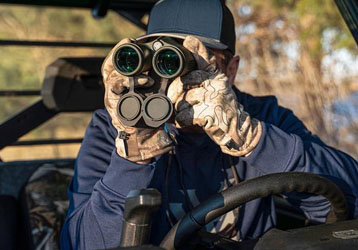
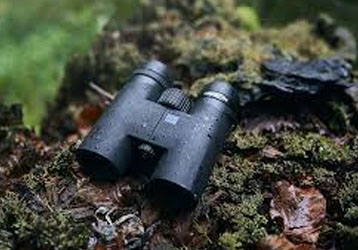
A modern long-range rangefinder combines distance measurement technology with optical observation, allowing users to identify a target, aim at it, and obtain distance information from a practical observation position.
Understanding Long-Range Distance Measurement
Long-range distance measurement refers to obtaining the distance between an operator and a remote target without physically reaching the target.
This measurement method can be useful in open outdoor environments, large construction sites, mountainous areas, forests, and industrial facilities.
A long-range laser rangefinder normally uses a laser signal to determine the distance. The device sends a signal toward the selected target and receives the reflected signal. The internal measurement system then processes the signal and provides the calculated distance.
The entire process can be completed quickly, making the rangefinder suitable for applications where fast field measurements are required.
Why Choose a Long-Range Rangefinder?
Traditional measuring tools can be effective for short distances, but they become less convenient when the target is far away.
A long-range rangefinder offers several practical advantages.
Remote Measurement
The operator does not need to physically reach the target. Distance can be measured from the current observation position as long as the target is visible and suitable for measurement.
Fast Operation
A handheld rangefinder can normally be operated by a single person. The user identifies the target, aims the device, and obtains the measurement result.
Portable Equipment
Compared with large surveying systems, handheld rangefinders are easier to transport and can be quickly taken to different locations.
Optical Target Identification
Models equipped with optical viewing systems can help users identify distant targets before measurement.
Choosing the Right Target
Target selection plays an important role in long-distance measurement.
A clearly visible target with a suitable reflective surface is generally easier to measure than a small, dark, or partially hidden object.
When several objects are located close together, users should carefully identify the intended target before starting the measurement.
Large structures, visible walls, signs, trees, and other clearly defined objects can often provide convenient reference points depending on the application.
The Role of Optical Magnification
At long distances, targets can appear very small to the naked eye.
Optical magnification helps users observe distant objects and position the measurement point more accurately.
For this reason, optical performance is an important consideration when selecting a long-range rangefinder.
A useful optical system should provide a clear field of view and help users distinguish the target from its surrounding environment.
Long-Range Rangefinder in Large Outdoor Areas
Large outdoor areas often require quick distance assessment.
For example, an operator may need to determine the distance to a distant building, hillside, tower, road section, or other reference point.
A long-range rangefinder allows the measurement to be performed without setting up complicated equipment.
This makes it particularly useful when mobility and rapid measurements are important.
Applications in Engineering Inspection
Engineering inspection often involves structures distributed across a large area.
A rangefinder can provide auxiliary distance information during inspection work.
Inspectors can use the device to estimate distances between observation points and visible structures, helping them organize field information more efficiently.
For professional engineering applications, the measurement requirements should always be considered when selecting equipment, especially where specific accuracy standards apply.
Applications in Construction and Property Assessment
Construction professionals may need to assess distances around buildings, open sites, walls, structures, and other locations.
A portable long-range rangefinder can help provide quick reference measurements during preliminary site assessment.
The equipment can also be useful when direct access to a measurement point is inconvenient.
However, for legally regulated surveying or highly precise engineering work, professional surveying instruments may still be required.
Applications in Forestry and Terrain Observation
Forests and mountainous areas can contain many locations that are difficult to access directly.
A long-range rangefinder can help operators measure the distance to visible terrain features or other selected targets.
When combined with optical observation, the equipment provides both visual information and distance data, making it useful for field observation.
How Weather Influences Measurement
Environmental conditions should be considered when using a long-range rangefinder.
Fog
Fog can reduce target visibility and may interfere with the transmission and reception of the measurement signal.
Rain
Heavy rain can make distant targets difficult to identify and may influence measurement performance.
Bright Sunlight
Strong sunlight can make it more difficult to see the target through an optical system.
Dust and Haze
Dust, atmospheric haze, and other airborne particles can reduce long-distance visibility.
Because of these factors, the practical measurement range may differ from the maximum range specified under favorable conditions.
How to Achieve More Stable Measurements
Stable operation is particularly important when measuring distant targets.
The farther away the target is, the more noticeable small movements can become.
Users can improve stability by holding the device firmly and maintaining a steady aiming position.
For particularly distant targets or repeated measurements, a stable support can help reduce movement and improve consistency.
Important Features for Professional Users
Professional users may have more specific requirements than recreational users.
When purchasing a long-range rangefinder for professional applications, consider:
Measurement range
Measurement accuracy
Optical clarity
Target identification
Measurement speed
Display readability
Battery performance
Device durability
Portability
Environmental protection
Ease of operation
The importance of each feature depends on the working environment and measurement objectives.
Long-Range Rangefinder Buying Guide
Before purchasing a rangefinder, it is useful to answer several basic questions.
What distance do you normally need to measure?
Choose a measurement range that matches your typical working environment.
What type of targets will you measure?
Large buildings and visible structures may have different measurement requirements from small distant objects.
Will the device be used outdoors?
If outdoor use is expected, portability, durability, and environmental protection should be considered.
Do you need optical observation?
If distant targets are difficult to identify, an optical rangefinder or rangefinding binoculars may be more convenient.
Is professional measurement accuracy required?
For professional surveying or regulated applications, confirm that the selected equipment meets the required specifications and standards.
Long-Range Rangefinder Maintenance
Regular care can help maintain the performance of the equipment.
Keep the optical surfaces clean and avoid touching lenses unnecessarily. Store the device in a suitable protective case when possible.
After using the rangefinder in wet or dusty environments, inspect the exterior and clean it appropriately before storage.
The battery should also be managed according to the manufacturer's recommendations.
Long-Range Rangefinder and Digital Measurement
Digital technology is making modern measurement equipment more convenient.
Digital displays allow users to read distance information directly without manual calculations.
Some advanced devices can also integrate multiple measurement functions, helping users obtain additional information during field operations.
As technology develops, long-range rangefinders are expected to become increasingly compact, efficient, and multifunctional.
Frequently Asked Questions
What is a long-range laser rangefinder?
A long-range laser rangefinder is a distance-measuring device that uses laser technology to determine the distance to a remote target.
Where can a long-range rangefinder be used?
It can be used for outdoor observation, engineering inspection, construction, forestry, terrain observation, facility inspection, and other applications requiring remote distance measurement.
What determines the actual measuring distance?
Target reflectivity, target size, visibility, weather conditions, atmospheric conditions, device stability, and the specifications of the rangefinder can all influence practical measuring distance.
Is optical magnification useful for long-distance measurement?
Yes. Optical magnification can make distant targets easier to identify and aim at, especially when the target is relatively small.
Is a handheld rangefinder easy to use?
Many handheld models are designed for simple operation. Their compact size also makes them convenient for field work and outdoor activities.
Conclusion
A long-range rangefinder is a practical tool for obtaining distance information from remote targets. Its combination of laser measurement, optical observation, portability, and fast operation makes it useful across many outdoor and professional applications.
From construction and engineering inspection to forestry, terrain observation, and outdoor activities, long-range distance measurement can make field operations more efficient.
When selecting equipment, users should consider the required measurement range, target characteristics, optical performance, environmental conditions, accuracy requirements, portability, and ease of use.
Choosing a rangefinder based on actual working requirements rather than specifications alone can help achieve more reliable and practical long-distance measurement results.