









Long-Range Rangefinder: Practical Methods for Accurate Distance Measurement and Outdoor Observation
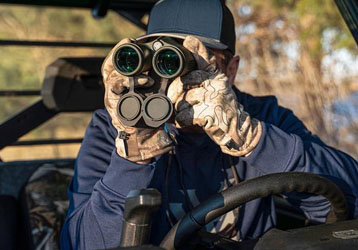
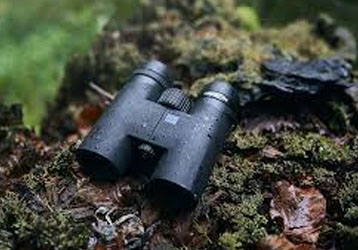
A long-range rangefinder is a practical optical measurement device designed to determine the distance between the user and a distant target. By combining distance measurement technology with optical observation, modern rangefinders can help users quickly understand the spatial relationship between different objects in outdoor environments.
Long-range distance measurement is widely used in outdoor observation, forestry, construction, infrastructure inspection, surveying support, field research, hunting observation, and other professional applications. When working with distant targets, selecting the right device and using an appropriate measurement method can improve operational efficiency and make field data easier to record and compare.
What Is a Long-Range Rangefinder?
A long-range rangefinder is designed for measuring the distance to targets located relatively far from the user. Many modern models use laser-based distance measurement technology. The device sends a laser signal toward a selected target and analyzes the returned signal to calculate the distance.
The basic measurement process is straightforward:
Identify the target.
Aim the optical system toward the target.
Activate the distance measurement function.
Allow the device to process the returned signal.
Read the distance information on the display.
This process can be completed quickly, making a long-range rangefinder useful when traditional measuring methods are difficult or impractical.
Why Long-Distance Measurement Requires More Than a Simple Device
Measuring a nearby wall is generally easier than measuring a distant tree, mountain surface, tower, or building. As the target becomes farther away, environmental conditions and target characteristics become increasingly important.
Several factors can influence practical measurement performance:
Target size
Target surface characteristics
Atmospheric conditions
Visibility
Ambient light
Target contrast
Device stability
Optical clarity
User aiming accuracy
For this reason, long-range rangefinder performance should be considered as a combination of optical design, measurement technology, environmental adaptability, and user operation.
Target Identification Is an Important First Step
Before activating the measurement function, the user should identify the correct target.
In complex outdoor environments, several objects may appear close together through the optical system. Trees, buildings, fences, poles, rocks, and terrain features may all be located within the viewing area.
A clear optical image helps the user distinguish the intended target from surrounding objects.
This is particularly important when measuring:
Distant buildings
Tall trees
Mountain slopes
Communication towers
Utility structures
Construction objects
Large outdoor equipment
Terrain boundaries
Accurate target identification helps reduce unnecessary measurement attempts.
Measuring Buildings and Large Structures
Long-range rangefinders can be useful for outdoor building observation and infrastructure inspection.
For example, an operator may need to estimate the distance between a working position and a building facade, tower, bridge component, or other large structure.
Large objects often provide relatively clear measurement targets because their surfaces can occupy a significant portion of the viewing area.
When measuring large structures, users should consider whether the laser is aimed at the intended surface rather than nearby objects such as trees, poles, or cables.
Measuring Trees and Forest Targets
Forestry environments create different measurement conditions.
A forest may contain numerous branches, leaves, trunks, and overlapping objects. The user may need to select a specific tree or another defined target rather than simply pointing toward the general forest area.
Optical magnification can help users identify individual targets, while stable positioning can improve aiming consistency.
For forestry-related applications, useful considerations include:
Optical clarity
Target visibility
Measurement stability
Device portability
Weather resistance
Battery performance
Ease of operation
A compact device can be especially useful when the operator needs to move frequently through outdoor terrain.
Measuring Mountain and Terrain Features
Long-range rangefinders can also support observation in mountainous and open terrain.
Mountains, ridges, rock formations, slopes, and other landscape features may be difficult to measure using conventional tools because of their distance and inaccessible location.
A rangefinder allows the user to remain at the observation position while measuring a distant target.
However, atmospheric conditions can become more noticeable over long distances. Haze, fog, rain, dust, and other conditions may reduce visibility and make target identification more difficult.
The Role of Optical Performance
Optical performance is an important part of the overall user experience.
A clear optical system allows the user to identify distant objects more easily before taking a measurement. This can be especially valuable when targets are small or surrounded by similar objects.
Important optical considerations include:
Image Clarity
Clear images make it easier to identify the target and determine where to aim.
Magnification
Appropriate magnification can help users observe distant objects without requiring excessive physical movement.
Field of View
A suitable field of view helps users locate targets quickly while maintaining enough detail for identification.
Display Visibility
Distance information should be easy to read under different outdoor lighting conditions.
Stability During Measurement
Even when a device has advanced measurement technology, unstable aiming can affect the user's ability to select the intended target.
Hand movement becomes more noticeable when viewing distant objects through magnified optics.
For longer-distance measurements, users can improve stability by:
Holding the device with both hands
Supporting the arms when possible
Using a stable observation position
Avoiding unnecessary movement
Taking measurements after the image becomes steady
For applications requiring repeated measurements, a tripod or other stable support may also be useful when compatible with the equipment.
Weather and Atmospheric Conditions
Outdoor measurement is influenced by environmental conditions.
Clear weather generally provides better visibility, while fog, rain, dust, smoke, and atmospheric haze can make distant targets harder to identify.
Temperature changes and atmospheric conditions may also affect the practical experience of long-distance observation.
Users working outdoors should therefore consider the expected operating environment rather than evaluating a rangefinder only by its laboratory specifications.
Portability for Field Applications
A long-range rangefinder is often used outside controlled indoor environments. Portability therefore becomes an important consideration.
A practical field device should be easy to carry, hold, operate, and store.
Compact equipment can be useful for:
Hiking
Forestry work
Construction inspection
Outdoor surveying support
Infrastructure observation
Wildlife observation
Field research
The balance between optical performance, measurement capability, battery capacity, and physical size is an important part of product selection.
Battery and Power Management
Long outdoor sessions require reliable power management.
Users should consider how often the device will be used and whether spare batteries or alternative charging options are available.
Before field work, it is useful to:
Check the battery level
Confirm that the device starts normally
Test the measurement function
Inspect the optical surfaces
Prepare suitable storage protection
Simple preparation can reduce interruptions during field operations.
Recording Measurement Data
Distance information becomes more useful when it is incorporated into a broader field workflow.
After measuring a target, users may record the result together with:
Target name
Measurement location
Observation time
Weather conditions
Measurement purpose
Additional notes
Organized records make it easier to compare measurements taken at different locations or during different field sessions.
For professional teams, digital documentation can also make communication between field personnel and office staff more efficient.
Long-Range Rangefinder in Construction
Construction professionals may use distance measurement devices during site observation and project preparation.
Potential applications include:
Checking distances between structures
Supporting site measurements
Observing elevated structures
Estimating distances across open areas
Supporting equipment positioning
Recording field conditions
A rangefinder does not necessarily replace professional surveying equipment. Instead, it can serve as a convenient supplementary tool for rapid distance observation.
Long-Range Rangefinder for Infrastructure Inspection
Infrastructure inspection often involves large outdoor structures located at difficult-to-access positions.
Examples include:
Utility poles
Communication towers
Bridges
Industrial structures
Large buildings
Remote facilities
A long-range rangefinder can help inspectors collect preliminary distance information without physically approaching every target.
This can improve convenience and reduce unnecessary movement around large sites.
Choosing a Long-Range Rangefinder
When selecting a device, users should consider the complete operating environment rather than focusing on one specification.
Important factors include:
Measurement Capability
Choose a device suitable for the typical target distances in the intended application.
Optical Quality
Clear optics are important when users need to identify small or distant targets.
Measurement Speed
Fast measurement can improve efficiency when multiple targets must be checked.
Portability
A lightweight and compact design may be preferable for mobile field work.
Durability
Outdoor equipment should be able to handle normal field conditions such as dust, moisture, and frequent transportation.
Ease of Operation
Simple controls allow users to concentrate on the target instead of complicated device settings.
How to Improve Measurement Results
Users can adopt several practical methods to improve field performance.
First, identify the target carefully before activating measurement.
Second, stabilize the device as much as possible.
Third, avoid measuring through obstacles such as branches or other objects when a clear target is available.
Fourth, repeat the measurement if the first result appears inconsistent with the visible target.
Finally, record important results immediately when the information is needed for professional work.
Maintenance of a Long-Range Rangefinder
Regular maintenance helps preserve optical and measurement performance.
After outdoor use, users should inspect the equipment for dust, moisture, or other contamination.
The optical lenses should be cleaned using suitable optical cleaning materials. Avoid abrasive materials that could damage the lens surface.
When the device is not being used, storing it in a protective case can help reduce the risk of impact, dust accumulation, and moisture exposure.
Battery condition should also be checked regularly.
Long-Range Rangefinder and Modern Field Technology
Modern field operations increasingly combine optical equipment with digital workflows.
A rangefinder can become part of a broader system that includes:
Digital field records
Mobile devices
Mapping applications
Inspection reports
Geographic information
Photographic documentation
This combination allows measurement information to be connected with visual and location-based data.
As field technology continues to develop, distance measurement devices may become increasingly integrated with digital observation and data management systems.
Future Development of Long-Range Rangefinders
Future long-range rangefinders may place greater emphasis on usability, optical performance, compact design, measurement stability, and digital connectivity.
Potential development directions include improved target recognition, clearer displays, better low-light observation, more efficient power management, and easier integration with digital field systems.
The overall goal is not simply to increase measurement distance. Practical usability, reliable target identification, and efficient field operation are also important parts of modern rangefinder development.
Frequently Asked Questions
What is a long-range rangefinder used for?
It is mainly used to measure the distance to distant targets. Applications can include outdoor observation, forestry, construction, infrastructure inspection, field research, and other distance-measurement tasks.
Does target size affect measurement?
Yes. Larger and clearer targets are generally easier to identify and measure than small or partially hidden targets.
Can a rangefinder measure through trees?
Dense branches and leaves can interfere with target selection. Users should try to aim at a clear and well-defined target whenever possible.
Does weather affect long-distance measurement?
Yes. Fog, rain, dust, haze, and poor visibility can make distant targets more difficult to identify and measure.
Is optical magnification important?
Optical magnification can help users identify distant targets, especially when the target is small or located in a complex outdoor environment.
Can a rangefinder replace professional surveying equipment?
A handheld rangefinder can provide convenient distance information, but it may not replace specialized surveying instruments when a project requires professional surveying procedures, high-precision positioning, or formal measurement documentation.
Conclusion
A long-range rangefinder provides a convenient way to measure distant targets without physically approaching them. Its practical value comes from the combination of distance measurement technology, optical observation, target identification, portability, and ease of operation.
For outdoor users, selecting the right equipment should involve more than simply looking at the maximum measurement distance. Optical clarity, target characteristics, environmental conditions, stability, battery performance, durability, and field workflow all contribute to practical measurement results.
With appropriate equipment selection and proper operating methods, long-range rangefinders can support efficient distance measurement across outdoor observation, forestry, construction, infrastructure inspection, field research, and many other applications.