









Laser Speed Sensor for Traffic Monitoring: Applications and Selection Guide
Accurate vehicle speed information is important for traffic surveys, transportation research, road planning, and vehicle testing. A laser speed sensor can provide a way to measure the movement of a vehicle without making physical contact with it.
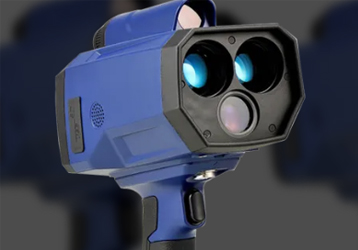
Laser-based speed measurement equipment uses optical distance measurements or other laser-based techniques to determine how a target moves over time. Depending on the product design, the equipment may be used for individual vehicle measurements, controlled testing, or integration into a specialized monitoring system.
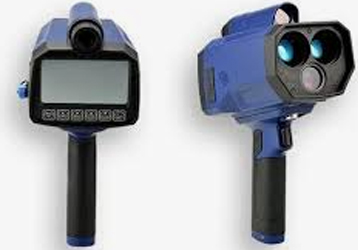
Not every laser speed sensor works in the same way. Some devices are designed for handheld operation, while others may be engineered for fixed installations or automated measurement tasks. Their capabilities, output formats, and operating requirements must be evaluated individually.
This guide explains how laser speed measurement works, where laser speed sensors can be useful, which factors influence measurement quality, and what buyers should consider when selecting equipment for traffic monitoring projects.
1. What Is a Laser Speed Sensor?
A laser speed sensor is a measurement device that uses laser light to detect distance, movement, or changes in a target's position. Speed can then be estimated from the change in measured distance over a known period, depending on the sensor's design.
In vehicle applications, the sensor is directed toward a target vehicle or positioned to monitor a defined measurement area. The system processes the acquired signals and produces a speed value or other supported measurement output.
Depending on the equipment, available functions may include:
Individual vehicle speed measurements
Distance measurements
Time-stamped measurement records
Data storage
Digital data output
Integration with external measurement systems
Specialized testing or monitoring functions
These features are not available on every model. A distance-only laser sensor, for example, should not be assumed to provide vehicle speed measurements without the appropriate measurement method and processing capability.
For this reason, buyers should distinguish between a general laser distance sensor and a purpose-built laser speed measurement device.
2. How Does Laser Vehicle Speed Measurement Work?
Laser vehicle speed measurement can be based on repeated distance measurements over time.
The device obtains distance information from a target. By comparing measurements taken at different moments, the system can estimate how quickly the target's position changes.
A simplified process is:
Laser emission → target reflection → distance measurement → signal processing → speed calculation → measurement output
For example, if a system obtains reliable distance measurements at known time intervals, the change in distance can be used to estimate the component of target velocity along the measurement direction.
The exact calculation method depends on the equipment's design. Some specialized systems may use different optical techniques or additional processing to measure movement.
Measurement geometry matters. If the sensor is not aligned with the target's direction of movement, the measured component of motion may differ from the vehicle's actual road speed. The device must therefore be installed or operated according to its specifications.
It is also important to understand that laser distance measurement and laser speed measurement are related but different capabilities. A product must explicitly support the required speed measurement function.
3. Laser Speed Sensor vs. Radar Speed Sensor
Laser and radar technologies can both be used to measure vehicle speed, but they operate using different types of signals and may be suited to different measurement scenarios.
Laser-based measurement
Laser devices use optical signals to measure distance or target movement. Depending on the design, they may be useful for targeted measurements where the operator or system needs to observe a particular vehicle.
Their performance can depend on target visibility, optical alignment, environmental conditions, and the specific measurement method.
Radar-based measurement
Radar devices use radio-frequency signals and reflected signal characteristics to estimate vehicle speed. Some radar systems are designed for handheld use, while others support fixed or automated traffic monitoring.
Radar performance depends on factors such as sensor geometry, target selection, equipment design, and the surrounding environment.
How to choose between them
The appropriate technology depends on the application rather than a general assumption that one is always superior.
Consider whether the project requires individual vehicle readings, continuous monitoring, automated records, multiple-target detection, or integration with an existing system.
A laser device may be appropriate for a targeted measurement task, while a fixed radar sensor may be more suitable for a particular automated roadside application. The capabilities of the specific models should be compared before making a decision.
4. Applications of Laser Speed Sensors
Laser speed measurement equipment can support several professional and research applications when the equipment is designed for the intended task.
Traffic surveys
Transportation researchers may use suitable laser speed measurement devices to obtain individual vehicle readings at selected road locations.
These observations can contribute to speed distribution studies, traffic surveys, and comparisons between observation periods.
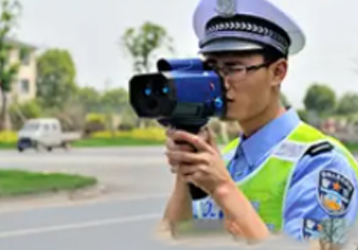
A handheld device generally requires an operator and does not automatically capture every vehicle passing a location.
Vehicle testing
In controlled testing environments, laser-based equipment may be used to measure target movement or vehicle speed.
The equipment should be selected according to the testing procedure, required accuracy, target characteristics, measurement distance, and data recording requirements.
Road engineering studies
Laser measurements can support selected field investigations when the method is appropriate for the road environment and study objective.
For meaningful comparisons, measurement procedures and relevant observation conditions should be documented.
Industrial vehicle monitoring
Some industrial environments require measurements of vehicle movement within a defined operational area. Suitable laser-based systems may support such applications when their specifications match the environment and required measurement function.
Research and specialized measurement
Laser-based equipment may also be used in technical research or specialized testing where non-contact measurement is beneficial.
The specific application determines whether a handheld instrument, fixed sensor, or integrated measurement system is appropriate.
5. Important Factors Affecting Measurement Quality
Laser speed measurement results depend on the device and the conditions under which it is used.
Target visibility
Optical measurement generally requires a suitable signal return from the target. Obstructions, poor visibility, target characteristics, and the measurement environment can affect signal quality.
Measurement distance
The usable distance depends on the device design, target properties, environmental conditions, and the manufacturer's specifications.
Maximum advertised range should not be treated as a guarantee of reliable speed measurement under every condition.
Alignment and geometry
The sensor's position and orientation influence the relationship between the measured movement and the vehicle's actual travel direction.
Follow the manufacturer's recommended operating geometry and any required alignment procedure.
Environmental conditions
Rain, fog, airborne particles, strong ambient light, and other environmental factors may affect some optical systems.
The degree of influence depends on the equipment's design and operating specifications.
Target movement
A measurement can be affected by how the target is moving relative to the sensor and how the measurement point is selected.
For reliable results, use a consistent operating procedure and confirm that the device is suitable for the intended target and movement pattern.
Equipment verification
Follow the manufacturer's maintenance and verification instructions. Where formal calibration or traceability is required, follow the applicable standards and local requirements.
6. Portable and Fixed Laser Speed Measurement Systems
Laser-based measurement equipment may be configured for different operating environments.
Portable laser speed devices
Portable devices are useful when measurements need to be taken at different locations or during short-term surveys.
Potential advantages include flexible positioning and the ability to collect selected readings without installing permanent roadside infrastructure.
However, portable operation may require trained personnel, careful target selection, and manual data recording unless the device includes automated functions.
Fixed laser measurement systems
A fixed system may be appropriate when a project requires measurements at a consistent location over a defined period.
The installation may require mounting structures, power, communication connections, environmental protection, and regular inspection.
Not every handheld laser device can be converted into a fixed monitoring system. Confirm the manufacturer's supported installation methods before designing the project.
Selecting the right configuration
Choose portable equipment when mobility and selective measurements are priorities. Consider fixed equipment when the project requires a stable installation and the chosen model supports the necessary measurement and recording functions.
For both configurations, evaluate data quality, operating conditions, maintenance, and the requirements of the final report.
7. Data Recording and Output Options
Data output can be as important as the measurement itself, especially when results must be analyzed or integrated with other systems.
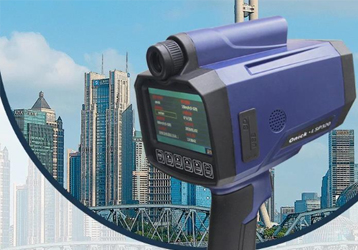
Depending on the product, data may be displayed on the device, stored internally, transferred through a wired interface, or transmitted using a supported communication method.
Before purchasing, confirm the following:
Whether individual readings can be stored
Whether timestamps are included
Which speed units are supported
Whether data can be exported
Which file formats are available
Whether the device supports an external communication interface
Whether third-party software compatibility has been tested
A product description may mention a digital interface without explaining the data structure. Buyers should request technical documentation when integration is required.
If the project involves a large number of observations, test the entire workflow from measurement through export and analysis before collecting the final dataset.
8. Using Laser Speed Measurements in Traffic Analysis
Laser speed measurements can contribute to traffic analysis when collected using an appropriate sampling method.
Mean speed
Mean speed is calculated by adding the valid speed observations and dividing the result by the number of observations.
It provides a simple summary but can be influenced by unusually high or low values.
Median speed
Median speed is the middle value of an ordered dataset, or the average of the two middle values when the number of observations is even.
It can help describe the center of the observed speed distribution.
Percentile analysis
Percentile statistics describe how observations are distributed across the dataset.
The 85th-percentile speed is commonly used in traffic engineering studies, but its interpretation depends on the study design and relevant engineering guidance. It should not be used by itself to determine road safety or establish the cause of a traffic problem.
Comparing locations
When comparing measurements from different locations, consider road geometry, speed limits, traffic conditions, lane configuration, measurement procedures, and sample selection.
A difference in observed speed does not necessarily indicate that one location is safer or more dangerous than another.
Documenting limitations
Reports should identify the equipment used, observation period, number of valid measurements, relevant conditions, and limitations of the method.
Transparent reporting helps readers understand what the measurements can and cannot establish.
9. Integrating Laser Speed Measurement Equipment with Other Systems
Some projects require laser-based equipment to transfer measurement results to a computer, testing platform, or traffic data management system.
Compatibility should be confirmed before deployment.
Check the supported physical interface, communication protocol, data format, power requirements, software dependencies, and available documentation.
Where measurements from several devices must be combined, standardize timestamps, speed units, location identifiers, and data definitions.
A pilot test can help verify that values are transferred correctly and that the receiving system interprets the information as intended.
If the equipment is designed only for local display, additional integration hardware or a different device may be required. Do not assume that every laser speed measurement instrument supports remote data transmission.
10. How to Select a Laser Speed Sensor
A structured selection process can help buyers match the equipment to the intended application.
Define the measurement task
Clarify whether the project requires individual vehicle speed readings, distance measurement, controlled testing, or automated monitoring.
Confirm the measurement principle
Determine whether the product directly supports the required speed measurement function or only provides distance readings.
Review technical specifications
Evaluate the stated measurement range, accuracy, response behavior, target requirements, and operating conditions.
Check data requirements
Identify whether the project needs internal storage, timestamps, external communication, data export, or software integration.
Evaluate portability and installation
Decide whether the equipment must be handheld, tripod-mounted, or installed in a fixed position. Confirm that the proposed mounting arrangement is supported.
Consider environmental suitability
Review the manufacturer's operating conditions and any requirements for protection against environmental exposure.
Assess support and maintenance
Ask about operating instructions, technical support, spare parts, verification procedures, and service arrangements.
Verify regulatory suitability
If the measurements will be used for enforcement or another regulated purpose, confirm that the specific equipment and operating procedure meet the applicable local requirements. The ability to measure speed does not automatically establish legal authorization for every use.
11. Common Mistakes When Buying Laser Speed Measurement Equipment
Confusing a distance sensor with a speed sensor
A laser distance sensor does not necessarily measure vehicle speed directly. Confirm the intended function and supported measurement method.
Choosing equipment based only on maximum range
Maximum range alone does not determine measurement quality. Target conditions, operating environment, alignment, and device specifications must also be considered.
Ignoring data output
A device may meet the measurement requirement but fail to provide data in the format needed for the project.
Overlooking installation limitations
Some devices are designed for handheld use and may not support permanent installation or unattended operation.
Assuming universal system compatibility
Digital output does not guarantee compatibility with every computer, software platform, or traffic management system.
Ignoring verification procedures
Measurement equipment should be maintained and verified according to its specifications and the requirements of the application.
Avoiding these mistakes helps reduce purchasing risks and improves the chance that the equipment will meet the actual project requirements.
Frequently Asked Questions
What is a laser speed sensor?
A laser speed sensor uses laser-based measurements to determine target distance or movement and, when designed for that purpose, estimate speed.
How does laser vehicle speed measurement work?
A laser speed measurement system can compare distance measurements taken at known time intervals to estimate how quickly a target moves. The exact method depends on the device design.
Is a laser speed sensor the same as a laser distance sensor?
No. A laser distance sensor measures distance, while a laser speed measurement device must support a suitable method for calculating speed. Some specialized products can provide both functions.
Can laser speed measurement equipment be used for traffic surveys?
Yes, suitable equipment can be used for selected vehicle measurements in traffic surveys. The sampling method, measurement procedure, and device capabilities determine whether the results are appropriate for the study.
Can a laser speed sensor operate continuously?
Some specialized systems may support fixed or automated operation, but many handheld devices are designed for operator-directed measurements. Check the capabilities of the specific model.
What affects laser speed measurement accuracy?
Relevant factors include target visibility, measurement distance, sensor alignment, environmental conditions, target movement, equipment design, and verification procedures.
What should buyers check before purchasing?
Buyers should confirm the measurement function, operating range, stated accuracy, data output, supported interfaces, installation requirements, maintenance needs, and suitability for the intended application.
Conclusion
Laser speed sensors and laser-based speed measurement devices can support traffic surveys, vehicle testing, and specialized non-contact measurement applications. Their usefulness depends on choosing equipment designed for the required task and operating it under appropriate conditions.
Before purchasing, organizations should distinguish between distance-only sensors and equipment capable of measuring speed, verify the available data outputs, and evaluate environmental suitability and installation requirements.
A clear understanding of measurement principles, technical specifications, data handling, and verification procedures can help buyers select equipment that provides useful and dependable results for their traffic monitoring or testing projects.