









Vehicle Speed Detection Equipment: Traffic Survey Guide
Vehicle speed detection equipment is widely used in traffic surveys, transportation engineering, road planning, and vehicle movement research. By measuring how fast vehicles travel at selected locations, these instruments provide data that can help researchers understand traffic conditions and evaluate transportation infrastructure.
Traffic surveys may be conducted on urban roads, highways, rural roads, private roads, and other transportation networks. Each environment presents different measurement requirements, including vehicle density, road geometry, observation distance, and data collection needs.
Available equipment ranges from handheld laser speed meters and radar speed detectors to fixed sensors and automated video-based systems.
Selecting the right device requires more than comparing advertised measurement ranges. Survey objectives, target identification, data quality, operating conditions, and equipment compatibility must also be considered.
This guide explains the main types of vehicle speed detection equipment used in traffic surveys and provides practical advice for planning measurements and selecting suitable instruments.
What Is Vehicle Speed Detection Equipment?
Vehicle speed detection equipment refers to instruments and systems designed to measure the speed of moving vehicles.
Depending on the technology, the equipment may measure an individual vehicle's speed, collect repeated readings, or provide data to a traffic monitoring platform.
Common applications include:
Roadside traffic speed surveys.
Highway traffic studies.
Transportation engineering research.
Vehicle speed distribution analysis.
Traffic management assessments.
Temporary road monitoring.
Selected vehicle testing applications.
The appropriate equipment depends on whether the survey requires individual readings, continuous measurements, or aggregate traffic statistics.
A handheld speed meter may be sufficient for a short observational study, while a project requiring continuous records from several lanes may need an automated monitoring system.
Why Is Speed Measurement Important in Traffic Surveys?
Understanding Traffic Speed Distributions
A traffic survey can collect speed readings from a sample of vehicles over a defined period.
When collected using a consistent method, these readings can help researchers examine the distribution of vehicle speeds at a particular location.
The results may be used to compare locations, observation periods, or traffic conditions.
Supporting Road Engineering Studies
Traffic engineers may use speed data when evaluating road layouts, traffic flow, and transportation infrastructure.
Speed measurements are most useful when interpreted alongside other information, such as traffic volume, road geometry, vehicle classification, and environmental conditions.
Evaluating Changes in Traffic Conditions
Repeated surveys can help researchers assess whether vehicle speed patterns change after a road layout modification or other traffic management intervention.
Reliable comparisons require consistent measurement procedures and appropriate consideration of changes in traffic conditions.
Providing Data for Transportation Planning
Collected speed information can contribute to broader transportation studies.
However, a speed survey alone does not provide a complete assessment of road safety or traffic performance. Other relevant data should be considered when drawing conclusions.
Main Types of Vehicle Speed Detection Equipment
1. Radar Speed Detectors
Radar speed detectors transmit radio-frequency signals and analyze reflected signals from moving vehicles.
Many devices use the Doppler effect to calculate relative speed.
Radar equipment is available in handheld, portable, and fixed configurations, depending on the intended application.
Potential advantages include non-contact measurement and flexible deployment options.
Important considerations include measurement geometry, target identification, antenna characteristics, signal interference, and the equipment's supported speed range.
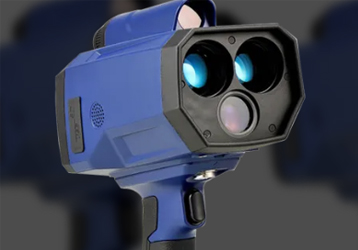
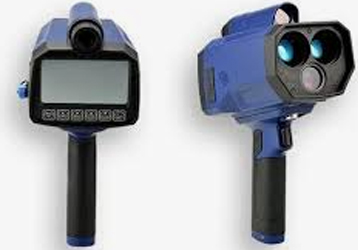
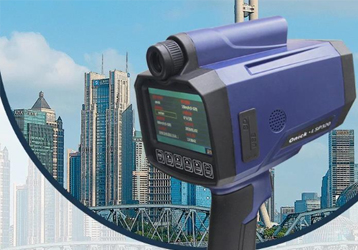
2. Laser Speed Meters
Laser speed meters commonly calculate vehicle speed by measuring changes in target distance over time.
A relatively narrow optical beam can support targeted measurement when visibility and alignment are suitable.
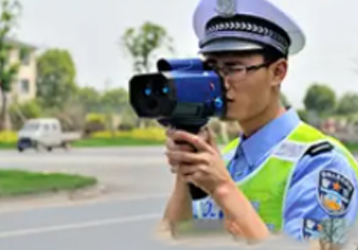
Portable laser devices may be useful for surveys that require measurements of selected vehicles.
Their performance depends on optical conditions, targeting technique, equipment specifications, and the survey environment.
3. Fixed Traffic Speed Sensors
Fixed sensors are installed at designated monitoring locations and may provide repeated or continuous speed measurements.
Depending on the system, the sensor may use radar, optical detection, road-embedded technology, or another measurement method.
Fixed equipment can be suitable for longer-term studies and automated traffic data collection.
4. Camera-Based Speed Measurement Systems
Camera-based systems use video and image-processing techniques to analyze vehicle movement.
Depending on their design, they may estimate speed and provide additional information such as traffic volume or vehicle classification.
Performance depends on camera placement, calibration, lighting, image quality, processing algorithms, and the measurement method.
Not every traffic camera is designed or approved for speed measurement.
5. Road-Embedded Sensors
Some traffic survey systems use sensors installed within the road surface.
For example, appropriately configured detection points can help determine vehicle speed by measuring travel time over a known distance.
These systems may be suitable for selected fixed monitoring applications, but installation and maintenance can require road access and traffic management arrangements.
How to Choose Equipment for Different Traffic Surveys
Short-Term Roadside Surveys
A portable radar or laser speed meter may be appropriate when researchers need to collect individual readings over a limited period.
The device should match the target speed range, measurement distance, visibility, and required accuracy.
Highway Traffic Studies
Highway surveys may involve higher speeds, multiple lanes, and vehicles moving close together.
Equipment selection should account for target discrimination, safe deployment, road geometry, and the intended data output.
Urban Traffic Surveys
Urban roads may contain intersections, parked vehicles, pedestrians, and frequent changes in traffic flow.
Researchers should evaluate whether the selected device can distinguish the intended target under these conditions.
Long-Term Monitoring
Projects that require continuous speed records may benefit from fixed sensors or automated monitoring systems.
Important considerations include power supply, data storage, communications, environmental protection, and maintenance access.
Multi-Lane Surveys
When speed information is required for individual lanes, confirm that the equipment supports the intended lane coverage.
Some devices measure a selected vehicle, while others are designed for multiple targets or broader traffic monitoring.
Important Technical Specifications
Measurement Speed Range
The supported speed range should match the vehicles and road environment included in the survey.
Check both the minimum and maximum measurable speeds rather than relying only on a maximum-speed figure.
Accuracy and Repeatability
Accuracy indicates how closely a measurement corresponds to an accepted reference value under specified conditions.
Repeatability describes the consistency of results when measurements are repeated under comparable conditions.
Both can be important in traffic research.
Review the manufacturer's specifications and determine whether additional verification is required for the project.
Measurement Distance
Working distance should match the planned observation position.
Actual performance may depend on target characteristics, environmental conditions, and the measurement technology.
Target Identification
In busy traffic, several vehicles may enter the measurement area at the same time.
Consider how the equipment selects targets and whether it can provide reliable readings under the expected traffic conditions.
Data Recording
Some instruments display individual readings without storing them.
Other systems support automatic recording, timestamps, export functions, or software integration.
Select the configuration according to the survey's data management requirements.
Environmental Suitability
Outdoor equipment may encounter rain, dust, temperature changes, sunlight, and vibration.
Review the manufacturer's operating conditions and enclosure protection.
Portability and Power
For temporary surveys, equipment weight, battery life, carrying accessories, and ease of setup may be important.
For fixed systems, power reliability and maintenance access may be more significant.
Planning a Reliable Traffic Speed Survey
Step 1: Define the Survey Objective
Determine the question the survey is intended to answer.
For example, the objective may be to characterize vehicle speed distributions, compare two locations, or observe changes across different time periods.
A clearly defined objective helps determine the required equipment and sampling method.
Step 2: Select Representative Observation Locations
Choose locations that match the research question.
Consider road layout, traffic direction, lane configuration, visibility, and the presence of nearby intersections or access points.
Document the reasons for selecting each location.
Step 3: Determine the Observation Period
Traffic patterns can change by time of day, day of the week, weather, and local activity.
Select observation periods that are appropriate for the intended study and record relevant conditions.
Step 4: Choose the Measurement Method
Select equipment that matches the speed range, target selection needs, and data collection requirements.
Follow the manufacturer's operating procedure and any applicable site requirements.
Step 5: Use a Consistent Measurement Procedure
Apply consistent equipment positioning, measurement settings, target selection, and recording practices.
Where multiple operators or devices are involved, document the procedures used.
Step 6: Review Data Quality
Check for missing records, unexpected readings, duplicate entries, and inconsistent units.
Investigate questionable values rather than automatically including them in the final analysis.
Step 7: Document the Survey Conditions
Record the date, observation period, location, equipment model, measurement method, relevant weather conditions, and any unusual traffic events.
This information helps others understand the context of the collected data.
Common Challenges in Vehicle Speed Surveys
Incorrect Target Identification
When several vehicles are present, the selected target may not be the vehicle the researcher intended to measure.
Equipment selection and a consistent operating procedure can help reduce this risk.
Unsuitable Measurement Geometry
The angle between the instrument and vehicle direction can influence the measured speed for many remote sensing methods.
Follow the manufacturer's instructions and document the setup.
Inconsistent Sampling
Collecting readings under different conditions without recording those differences can make comparisons less meaningful.
A clearly defined sampling procedure improves consistency.
Environmental Interference
Weather, visibility, surrounding structures, and other moving objects may affect measurement quality.
Researchers should identify relevant limitations and consider them when interpreting results.
Incomplete Data Records
Speed readings without timestamps, location information, or survey context may be difficult to interpret later.
Record the metadata needed to understand and reproduce the survey.
How to Evaluate a Vehicle Speed Detection Equipment Supplier
A suitable supplier should provide clear technical information and explain the conditions under which the equipment is designed to operate.
Before purchasing, consider:
Complete measurement specifications.
Documented accuracy and operating limitations.
Supported measurement modes.
Data recording and export functions.
Power and environmental requirements.
Calibration or verification documentation, where applicable.
User manuals and technical support.
Warranty and after-sales service.
Availability of accessories and replacement parts.
For research or engineering projects, it may be helpful to request a product demonstration or evaluation under representative conditions.
Frequently Asked Questions
What equipment is used for traffic speed surveys?
Common options include radar speed detectors, laser speed meters, fixed traffic sensors, camera-based systems, and road-embedded detection systems.
Which device is best for a short-term traffic survey?
A portable radar or laser speed meter may be suitable when the project requires individual vehicle readings. The choice depends on the measurement conditions and data requirements.
Can vehicle speed detection equipment collect data automatically?
Some fixed systems support automatic data collection, while other portable instruments may only display individual readings. Confirm the capabilities of the specific model.
What affects traffic speed measurement accuracy?
Measurement geometry, target identification, environmental conditions, equipment specifications, and operator technique can all affect measurement quality.
Why should traffic survey conditions be documented?
Recording location, time, equipment, and environmental conditions helps researchers interpret results and compare measurements more consistently.
Can traffic speed data be used to evaluate road safety?
Speed data can contribute to road safety studies, but it should be interpreted alongside other relevant evidence, including traffic volume, road design, and crash information where available.
What should buyers check before purchasing survey equipment?
Important factors include measurement speed range, accuracy, working distance, target selection, portability, data recording, environmental suitability, and supplier support.
Conclusion
Vehicle speed detection equipment is an important tool for traffic surveys and transportation engineering research.
Radar, laser, fixed sensor, camera-based, and road-embedded systems provide different approaches to measuring vehicle speed. Each has specific advantages, limitations, and installation requirements.
The most suitable device depends on the survey objective, vehicle speeds, road environment, target identification requirements, and data collection method.
By planning the survey carefully, choosing appropriate equipment, applying consistent measurement procedures, and documenting data quality, researchers can obtain more useful speed information to support transportation analysis and planning.