









Vehicle Speed Measurement System for Smart Transportation
Smart transportation relies on accurate traffic information, connected monitoring equipment, and effective data analysis. A vehicle speed measurement system can help transportation professionals understand traffic conditions, identify changes in vehicle movement, and support informed decisions about road operations.
Modern vehicle speed measurement systems may use laser technology, radar sensors, roadside detection equipment, video analytics, or combinations of different technologies. Depending on the system design, measurements can be transmitted to a central platform, stored for later analysis, or integrated with other traffic management applications.
However, measuring vehicle speed is only one part of a smart transportation solution. Successful deployment also requires suitable equipment selection, reliable data transmission, system compatibility, data quality management, and appropriate operational procedures.
This article explores how vehicle speed measurement systems work, how they can be integrated into intelligent transportation infrastructure, and what organizations should consider when selecting equipment for traffic monitoring projects.
1. What Is a Vehicle Speed Measurement System?
A vehicle speed measurement system is a combination of equipment, software, and data processes used to measure the speed of moving vehicles.
A simple configuration may consist of a handheld measuring device operated by a technician. A more advanced installation may include fixed sensors, communication equipment, data storage, monitoring software, and a central traffic management platform.
The main purpose is to convert vehicle movement into useful information. Depending on the system, that information may support individual vehicle measurements, traffic flow studies, speed distribution analysis, or long-term monitoring.
Typical applications include:
Road and highway traffic surveys
Smart city transportation projects
Traffic flow monitoring
Road engineering studies
Vehicle testing and speed evaluation
Industrial vehicle movement monitoring
Transportation research and planning
Integration with broader traffic data platforms
The required configuration depends on whether the project needs occasional measurements, continuous monitoring, or data collected across multiple road locations.
2. How Vehicle Speed Measurement Systems Work
Although measurement technologies differ, most systems follow a similar process: detect vehicle movement, estimate speed, record the result, and provide the data for interpretation.
Laser-based measurement
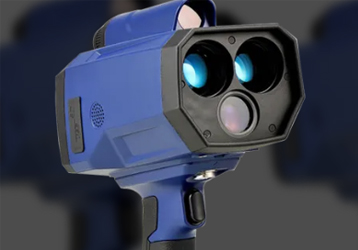
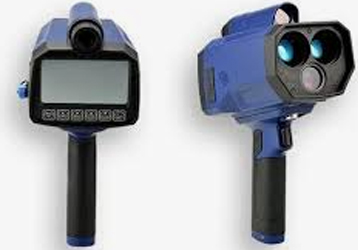
Laser speed measurement devices use changes in measured distance over time to calculate the speed of a target.
These devices may be suitable for selective vehicle measurements, field testing, and applications that require an operator to target a particular vehicle. Their performance depends on device specifications, operating procedures, target conditions, and the measurement environment.
A handheld laser device should not be assumed to provide continuous unattended traffic monitoring unless the particular model is designed for that function.
Radar-based measurement
Radar speed detectors use radio waves and the properties of reflected signals to estimate vehicle speed.
Radar technology can be implemented in handheld devices, roadside sensors, vehicle-mounted equipment, or larger traffic monitoring installations. Different designs offer different detection capabilities, coverage patterns, and data outputs.
When selecting a radar-based system, users should verify its intended measurement range, supported traffic conditions, target-selection behavior, data recording features, and integration options.
Sensor-based monitoring
Fixed traffic sensors can observe vehicle movements at a defined location. Depending on the technology, the system may record vehicle passages, speed estimates, traffic counts, or other traffic characteristics.
Fixed installations can be useful for monitoring traffic over longer periods. However, installation location, lane coverage, environmental conditions, maintenance access, and verification procedures all affect the quality of the collected data.
Video-based traffic analysis
Video analytics systems use camera images and software to detect vehicles and estimate their movement.
A video-based solution may provide speed estimates alongside traffic counts, vehicle classification, and movement patterns. Its effectiveness depends on camera positioning, image quality, software performance, calibration, lighting, and visibility.
Video systems may also capture identifiable information. Appropriate access controls, data retention practices, and privacy safeguards should be established before deployment.
3. The Role of Intelligent Traffic Monitoring Systems
An intelligent traffic monitoring system combines traffic detection, data processing, communication, and visualization to help operators understand road conditions.
Vehicle speed measurement can serve as one of its data sources. When combined with other reliable traffic information, speed measurements may help reveal patterns that cannot be understood from a single reading.
For example, a transportation authority may compare speed trends with traffic volume to investigate recurring congestion. A road engineering team may use repeated observations to study how traffic behavior changes at a particular location.
The value of an intelligent system depends on the quality and relevance of its information. More sensors do not automatically produce better decisions if their readings are inconsistent, incomplete, or poorly interpreted.
A well-designed system should therefore define the required data, collection frequency, quality checks, and intended decisions before equipment is installed.
4. Main Components of a Connected Speed Monitoring Solution
A connected vehicle speed measurement system may include several components.
Measurement equipment
This is the device or sensor that measures vehicle speed. It may use laser, radar, video analytics, or another supported detection method.
The measurement equipment should be selected according to the intended application and the data fields required by the project.
Data acquisition and processing
The data acquisition layer receives measurements from the equipment. Depending on the configuration, it may validate readings, attach timestamps, identify measurement locations, and prepare records for storage or transmission.
Processing rules should be documented so that results remain consistent across devices and observation periods.
Communication interface
Some systems support wired communication, while others use wireless connections or network-based data transmission.
Available interfaces vary by product. Before purchasing, confirm the supported protocols, physical connections, software requirements, and any additional hardware needed to transfer data.
A communication interface should not be assumed to provide direct compatibility with every traffic management platform.
Data storage
A system may store data locally, transmit it to a server, or use a combination of local and central storage.
Storage planning should consider record volume, backup procedures, data access permissions, retention periods, and recovery requirements.
Monitoring software and reporting
Software may present speed readings, historical trends, charts, alerts, and other information relevant to the project.
A useful interface should make it easy to identify the measurement location, observation period, units, equipment source, and data quality status.
5. Real-Time Monitoring and Historical Data Analysis
Real-time monitoring and historical analysis serve different purposes.
Real-time monitoring focuses on recently collected information and may help operators identify changing traffic conditions. Its usefulness depends on how quickly measurements are collected, transmitted, processed, and displayed.
Historical analysis examines records over longer periods. It can help reveal recurring patterns, compare different observation periods, and evaluate changes after a road intervention.
For example, a transportation team may review speed distributions during morning and evening periods. Another team may compare measurements collected before and after a road layout change.
These comparisons require consistent methods and appropriate context. Changes in weather, traffic demand, road works, equipment configuration, or sample selection may influence the results.
A real-time dashboard should therefore not replace careful data analysis. Both immediate monitoring and longer-term evaluation have important roles.
6. Integrating Speed Data with Other Transportation Information
Vehicle speed data becomes more useful when it can be compared with other relevant traffic information.
Traffic volume
Traffic volume describes how many vehicles pass a location during a defined period. Combined with speed data, it can help analysts understand how vehicle speeds vary with traffic demand.
Vehicle classification
Different vehicle categories may exhibit different movement patterns. If the system reliably supports classification, analysts may compare relevant groups separately rather than treating all vehicles as identical.
Location and time information
Accurate timestamps and location identifiers are essential when combining records from different sensors or comparing multiple sites.
Teams should standardize date formats, time zones where relevant, speed units, location labels, and data field definitions.
Road and environmental context
Road geometry, traffic controls, weather, visibility, and temporary incidents may influence vehicle speeds.
Recording relevant context helps prevent analysts from attributing every observed difference to a single factor.
Integration should be based on clearly defined data requirements and verified compatibility, rather than assumptions about what a particular sensor or software platform can support.
7. Data Accuracy and Quality Management
A smart transportation system is only as useful as the information it produces.
Several practices can improve data quality.
Verify equipment suitability. Check the manufacturer's specifications, operating conditions, maintenance instructions, and applicable verification requirements.
Standardize measurement procedures. Ensure that operators or automated systems follow consistent methods when collecting and recording data.
Check data completeness. Identify missing records, duplicate timestamps, communication interruptions, and unexplained gaps.
Review unusual values. Flag unexpected measurements for investigation rather than deleting them automatically.
Confirm units and metadata. Mixing different speed units or inconsistent timestamps can lead to misleading conclusions.
Maintain an audit trail. Preserve original records and document any cleaning, filtering, conversion, or aggregation.
For projects that require traceable measurements, establish appropriate calibration or verification procedures and retain the associated records.
Measurement accuracy, system availability, and data completeness are related but different characteristics. A system may collect data continuously while still producing inaccurate readings, so each aspect should be evaluated separately.
8. Network Connectivity and System Compatibility
Connectivity is an important consideration when vehicle speed measurements must be transferred to another system.
Before deployment, identify how the equipment will communicate with the data collection platform. Check supported interfaces, network requirements, message formats, data export options, and software dependencies.
Where data from multiple manufacturers must be combined, confirm that the receiving platform can interpret the fields consistently.
For example, one device may report individual speed readings while another provides aggregated statistics. These outputs cannot necessarily be compared directly without understanding their definitions and collection methods.
A practical integration test should verify that measurements arrive correctly, timestamps are preserved, units are interpreted properly, and communication failures can be detected.
For critical installations, also plan for connection interruptions. Depending on the system, local buffering, retry mechanisms, or manual recovery procedures may be necessary.
9. Selecting a Vehicle Speed Measurement System for Smart Transportation
Choosing equipment should begin with the operational requirements rather than a single advertised feature.
Define the monitoring objective
Determine whether the project requires individual readings, repeated surveys, continuous monitoring, or coverage across multiple locations.
Establish measurement requirements
Identify the required accuracy, expected operating conditions, vehicle types, observation distance, and any applicable verification requirements.
Confirm data outputs
Check whether the equipment records timestamps, speed units, direction, lane information, or other fields required by the project.
Evaluate connectivity
Review supported communication interfaces, data formats, software compatibility, and integration requirements. Request documentation if the equipment must connect to an existing platform.
Consider installation and maintenance
Fixed installations may require mounting structures, power, network access, weather protection, and periodic maintenance. Portable devices have different requirements, including operator training, battery management, storage, and handling.
Review total operating cost
Consider the purchase price alongside installation, software, connectivity, training, maintenance, and data management costs.
Verify regulatory suitability
If measurements will be used for enforcement or another regulated purpose, confirm that the equipment and operating procedures meet the applicable local requirements. Measurement capability alone does not establish legal authorization.
A structured evaluation helps buyers compare products on the basis of practical performance and project suitability.
10. Applications in Smart Cities and Highway Management
Urban traffic studies
Cities can use vehicle speed measurements to study traffic patterns at selected road locations. When combined with traffic counts and other contextual information, the data may support road planning and operational evaluation.
Highway monitoring
Highway studies may examine speed distributions, traffic flow changes, and conditions across different observation periods.
Continuous monitoring can help build a longer-term picture of traffic behavior, provided the measurement system is suitable for the site and its data quality is maintained.
Road engineering projects
Engineering teams may collect measurements before and after a change to road geometry, traffic control, or traffic management procedures.
Consistent measurement methods are important when evaluating whether observed differences are meaningful.
Industrial transportation
Industrial sites may use suitable speed monitoring equipment to support vehicle testing, internal traffic studies, or operational monitoring. The equipment should be selected for the specific vehicles, environment, and required safety procedures.
In every application, speed measurements should be interpreted alongside relevant operational information. They are one useful source of evidence, not a complete assessment of traffic safety or system performance.
11. Implementation Challenges and Best Practices
Smart transportation projects can face challenges that are not obvious during equipment selection.
Inconsistent data formats: Standardize units, timestamps, location identifiers, and field definitions before combining data sources.
Insufficient site assessment: Evaluate road layout, target visibility, installation conditions, and potential sources of interference before deployment.
Unclear performance requirements: Define measurable acceptance criteria for accuracy, data completeness, transmission, and reporting.
Limited maintenance planning: Establish inspection schedules, fault reporting, and procedures for verifying equipment performance.
Poor data governance: Assign responsibility for data access, backup, retention, and deletion.
Overreliance on automated outputs: Review data quality and use appropriate context before making operational decisions.
A pilot deployment can help identify practical issues before a system is expanded across a larger area.
During the pilot, test measurement performance, data transmission, report generation, maintenance procedures, and compatibility with existing systems. Document any limitations and resolve important issues before full deployment.
Frequently Asked Questions
What is a vehicle speed measurement system?
It is a device or combination of devices and software used to measure vehicle speed and, depending on the configuration, record, transmit, store, or analyze the resulting data.
What is an intelligent traffic monitoring system?
An intelligent traffic monitoring system combines traffic detection, data processing, communication, and reporting to help transportation operators understand traffic conditions. Vehicle speed data may be one component of the overall system.
Which technology is suitable for vehicle speed measurement?
Laser, radar, fixed sensors, and video analytics can all be suitable in different situations. The best choice depends on measurement requirements, observation duration, operating conditions, target behavior, and required data outputs.
Can a vehicle speed measurement system transmit data automatically?
Some systems support automatic data transmission, while others require manual reading or data transfer. Buyers should confirm the capabilities and interfaces of the specific model before purchasing.
What should buyers check before purchasing a speed monitoring system?
Important considerations include measurement requirements, accuracy, operating conditions, data storage, communication interfaces, software compatibility, maintenance, support, and applicable regulatory requirements.
How can speed measurement data be integrated into a smart city platform?
Integration generally requires compatible interfaces, consistent data formats, reliable timestamps, defined data fields, and testing with the receiving platform. Actual compatibility depends on the equipment and software involved.
Can vehicle speed data determine road safety by itself?
No. Speed data can support traffic studies, but a complete road safety evaluation may also require crash records, road design information, traffic volume, visibility, pedestrian and cyclist conditions, and other relevant evidence.
Conclusion
Vehicle speed measurement systems can support smart transportation by converting vehicle movement into useful traffic information. Depending on the technology and configuration, they may provide selective measurements, continuous monitoring, historical records, or data that can be integrated with other transportation systems.
Successful implementation requires more than choosing a sensor. Project teams should define the monitoring objective, select suitable equipment, verify data quality, confirm connectivity, and establish consistent procedures for maintenance and analysis.
For organizations planning intelligent traffic monitoring projects, a clear set of technical requirements and a carefully evaluated pilot deployment can reduce integration risks and improve the usefulness of the resulting data.
By treating measurement quality, system compatibility, and responsible data management as essential parts of the design, transportation professionals can build more dependable traffic monitoring workflows and make better-informed decisions.